Description
Aluminum: The Versatile Metal for Modern Applications
Aluminum, the most abundant metallic element in the Earth's crust, is a lightweight, silvery-white metal renowned for its exceptional versatility and wide range of applications. Its unique properties make it an indispensable material across numerous industries.
Key Properties & Advantages:
- Lightweight: Significantly lighter than steel, aluminum offers significant weight reduction benefits, crucial for transportation, aerospace, and consumer goods. This reduces fuel consumption, improves maneuverability, and enhances portability.
- High Strength-to-Weight Ratio: Despite its lightness, aluminum possesses remarkable strength, making it a durable and reliable material for demanding applications. Various alloys further enhance its strength and other properties.
- Corrosion Resistance: Aluminum naturally forms a protective oxide layer that resists corrosion, making it ideal for outdoor use and applications exposed to harsh environments. This eliminates the need for extensive protective coatings in many cases.
- Excellent Conductivity: Aluminum exhibits high electrical and thermal conductivity, making it a preferred choice for electrical wiring, heat sinks, and other applications requiring efficient energy transfer.
- Formability & Machinability: Aluminum is highly malleable and ductile, allowing for easy shaping through various processes like extrusion, rolling, casting, and forging. Its machinability simplifies manufacturing processes.
- Recyclability: Aluminum is 100% recyclable without loss of properties. Recycling aluminum consumes significantly less energy than producing it from raw bauxite ore, making it an environmentally responsible material choice.
- Non-magnetic: Aluminum's non-magnetic properties make it suitable for applications where magnetic fields need to be avoided or minimized.
Applications:
Aluminum's versatility leads to its use in a vast array of applications, including:
- Transportation: Automotive parts, aircraft components, railway carriages, bicycles.
- Construction: Building facades, window frames, roofing, structural components.
- Packaging: Cans, foils, containers, closures.
- Electronics: Heat sinks, circuit boards, wiring, mobile phone casings.
- Aerospace: Aircraft fuselages, engine components, satellite parts.
- Consumer Goods: Kitchenware, appliances, furniture, sporting goods.
- Industrial Machinery: Components in various machinery requiring lightweight, durable materials.
Different Forms of Aluminum:
Aluminum is available in various forms to suit different needs, including:
- Ingots: Blocks of aluminum used for further processing.
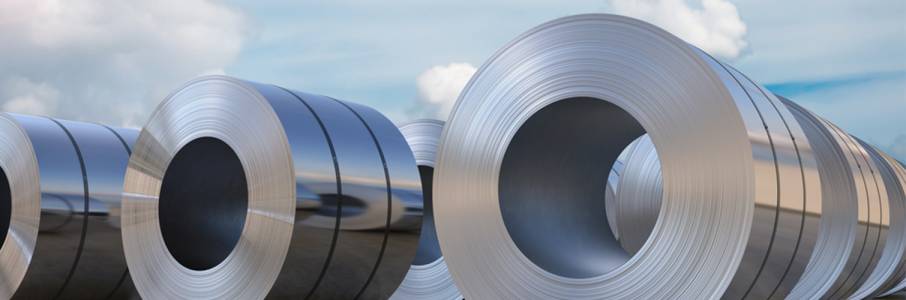
- Sheet & Plate: Flat rolled products used in various applications.
- Extrusions: Shapes created by forcing aluminum through a die.
- Castings: Shapes created by pouring molten aluminum into a mold.
- Foil: Thin sheets used primarily for packaging.
- Wire: Used in electrical wiring and other applications.
Choosing the Right Aluminum:
Selecting the appropriate aluminum alloy depends on the specific application requirements. Different alloys offer varying properties in terms of strength, corrosion resistance, machinability, and cost. Consulting with a materials specialist can help determine the optimal alloy for a given application.
This detailed description provides a comprehensive overview of aluminum, its properties, and its widespread applications. Its unique combination of lightweight, high strength, corrosion resistance, and recyclability makes it a truly remarkable and essential material in the modern world.