Particle Board

      Description


      Particle Board: A Versatile and Affordable Building Material

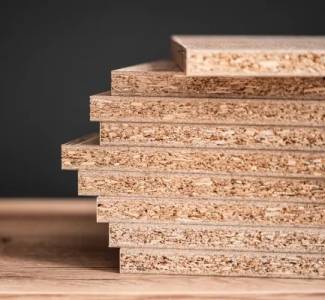
      Particle board, also known as chipboard, is an engineered wood product manufactured from wood particles or flakes, bound together with resin and then pressed to form a panel. It's a cost-effective alternative to solid wood, offering a versatile solution for a wide range of applications. This description details its properties, uses, and considerations.

      Key Features and Benefits:

      • Affordability: Particle board consistently offers a lower price point compared to solid wood, making it a budget-friendly choice for many projects.
      • Uniformity: Manufacturing processes result in a consistent density and thickness, ensuring reliable dimensions across sheets.
      • Workability: Particle board is relatively easy to cut, shape, and machine, making it suitable for DIY and professional projects.
      • Dimensional Stability: While not as stable as solid wood, treated particle board offers reasonable resistance to warping and swelling with appropriate moisture control.
      • Wide Range of Sizes and Thicknesses: Available in a variety of standard sizes and thicknesses, allowing for flexibility in project design.
      • Paintability and Finishability: It accepts paint, veneer, and laminates well, providing a customizable surface finish.

      Types of Particle Board:

      • Standard Particle Board: The most common type, suitable for less demanding applications where strength and moisture resistance aren't critical.
      • Moisture-Resistant Particle Board (MRPB): Treated with wax or other agents to enhance resistance to moisture, making it suitable for applications in humid environments, such as bathrooms and kitchens (but not directly exposed to water).
      • Laminated Particle Board: Pre-finished with a decorative laminate layer, offering a durable and attractive surface.

      Applications:

      Particle board finds extensive use in various applications, including:

      • Furniture Manufacturing: A popular choice for shelving, cabinets, drawer bases, and other furniture components.
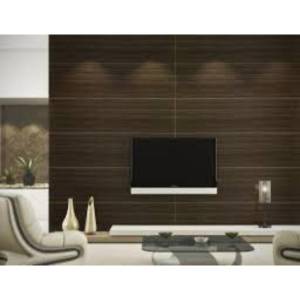
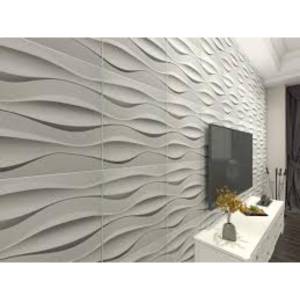
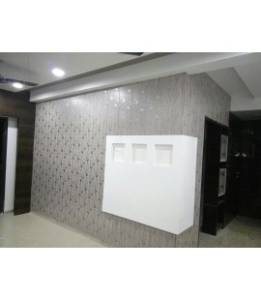
      • Construction: Used in subflooring, wall panels (often covered with drywall), and as a base for countertops.
      • Packaging: Used as a core material for packaging products.
      • DIY Projects: Ideal for crafting, shelving units, and other home improvement projects.
      • Moulding and Trim: Can be used as a base for moulding and trim work after finishing.

      Considerations:

      • Strength: Particle board is less strong and durable than solid wood, making it unsuitable for applications requiring high structural integrity.
      • Moisture Sensitivity: Standard particle board is susceptible to moisture damage, leading to swelling and warping. MRPB offers improved resistance but isn't waterproof.
      • Screw Holding: The density of the material can impact screw-holding capacity. Pre-drilling is often recommended to prevent splitting.
      • Edge Treatment: Exposed edges are susceptible to damage and require appropriate sealing or finishing to prevent moisture absorption.

      Conclusion:

      Particle board provides an economical and versatile solution for a wide range of applications where its limitations are understood and accommodated. By selecting the appropriate type of particle board and employing proper construction techniques, it can be a successful component in many projects. Remember to always choose the right type of particle board for your specific needs and application.

      Tags: Particle Board