Description
Here's a detailed product description for dental bridges, formatted in Markdown:
Dental Bridges: Restore Your Smile, Function, and Confidence
Say Goodbye to Gaps and Hello to a Complete Smile
Are you missing one or more teeth due to decay, injury, or gum disease? A missing tooth can do more than just affect your appearance; it can lead to difficulties with chewing, speaking, and even cause your remaining teeth to shift out of alignment.
At [Your Dental Clinic Name], we understand the impact a complete, healthy smile has on your overall well-being. Dental bridges offer a time-tested, fixed solution to effectively replace missing teeth, restoring both the aesthetics and functionality of your mouth.
What is a Dental Bridge?
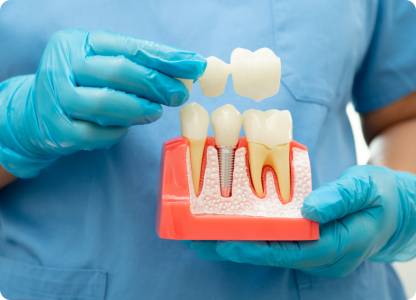
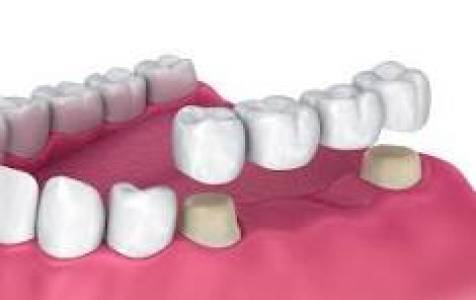
A dental bridge is a fixed prosthetic device used to "bridge" the gap created by one or more missing teeth. It consists of artificial teeth, called pontics, which are held in place by dental crowns cemented onto the natural teeth or dental implants on either side of the gap. These supporting teeth are called abutment teeth. Unlike removable dentures, bridges are cemented into place and cannot be taken out, offering a stable and convenient solution.
Why Choose a Dental Bridge? The Benefits:
Choosing a dental bridge can dramatically improve your oral health and quality of life. Here are some key advantages:
- Restore Your Smile: Fill embarrassing gaps and bring back the natural beauty of your teeth.
- Improve Chewing Ability: Enjoy your favorite foods again without discomfort or limitation.
- Enhance Speech: Correct any speech impediments caused by missing teeth.
- Maintain Facial Shape: Prevent the collapse of facial tissues that can occur with tooth loss.
- Prevent Tooth Shifting: Stop adjacent teeth from drifting into the empty space, which can lead to bite problems and further dental issues.
- Durable & Long-Lasting: With proper care, dental bridges can last 10-15 years or even longer.
- Fixed Solution: Unlike removable dentures, bridges are permanently cemented, offering superior stability and comfort.
- Natural-Looking: Crafted from high-quality, tooth-colored materials that blend seamlessly with your existing teeth.
Types of Dental Bridges We Offer:
We offer various types of dental bridges to suit your specific needs and oral health situation:
- 1. Traditional Bridges:
- The most common type.
- Consists of one or more pontics (artificial teeth) held in place by crowns cemented onto the natural teeth on either side of the gap.
- Requires the two adjacent teeth to be prepared (reshaped) to accommodate the crowns.
- Ideal for: Patients with healthy natural teeth on both sides of a gap.
- 2. Cantilever Bridges:
- Used when there is only one natural tooth available on one side of the missing tooth gap.
- The pontic is supported by a crown on a single abutment tooth.
- Note: Less common and generally not recommended for back teeth or areas with heavy chewing forces due to potential for fracture or loosening.
- 3. Maryland (Resin-Bonded) Bridges:
- A more conservative option that doesn't require extensive preparation of adjacent teeth.
- The pontic is held in place by metal or porcelain wings that are bonded to the back surface of the adjacent natural teeth.
- Ideal for: Replacing a single front tooth, especially in younger patients, or when the adjacent teeth are healthy and free of large fillings.
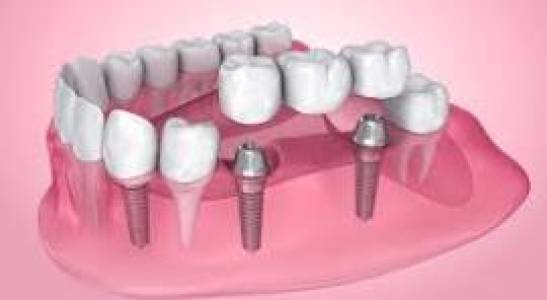
- 4. Implant-Supported Bridges:
- For patients missing multiple teeth in a row, but without strong natural abutment teeth.
- Instead of being supported by natural teeth, the bridge is anchored by dental implants surgically placed into the jawbone.
- Benefits: Does not require altering healthy adjacent teeth, stimulates the jawbone to prevent bone loss, and offers exceptional stability and longevity.
- Ideal for: Patients seeking the most stable and long-term solution, particularly for larger gaps.
Materials Used:
Our dental bridges are crafted from durable, aesthetic materials designed to match your natural teeth:
- Porcelain Fused to Metal (PFM): Offers a strong metal base with a tooth-colored porcelain layer, combining durability and aesthetics.
- All-Ceramic/Porcelain: Provides excellent aesthetics, especially for front teeth, due to its natural translucency.
- Zirconia: An incredibly strong, biocompatible, and aesthetic material, often preferred for back teeth due to its durability.
The Dental Bridge Process: What to Expect
Replacing your missing teeth with a dental bridge typically involves two appointments:
- First Appointment – Preparation:
- We'll thoroughly examine your teeth and gums to determine if a bridge is the right solution for you.
- If using a traditional bridge, the abutment teeth (on either side of the gap) will be carefully reshaped to allow for the placement of crowns.
- Impressions or digital scans of your teeth will be taken to create a precise model. This model is sent to a dental lab where your custom bridge will be fabricated.
- A temporary bridge will be placed to protect your prepared teeth and maintain aesthetics while your permanent bridge is being made.
- Second Appointment – Placement:
- Once your custom bridge arrives from the lab, you'll return to our office.
- We'll carefully remove the temporary bridge and meticulously fit your new permanent bridge, ensuring a perfect fit, comfortable bite, and natural appearance.
- Once you and your dentist are completely satisfied, the bridge will be permanently cemented into place.
Caring for Your Dental Bridge:
With proper care, your dental bridge can last for many years:
- Maintain Excellent Oral Hygiene: Brush twice a day and floss daily. Special tools like a floss threader or interdental brushes are essential to clean under the pontic and around the abutment teeth.
- Regular Dental Check-ups: Continue with your routine dental examinations and cleanings at [Your Dental Clinic Name] to ensure the health of your bridge and surrounding teeth and gums.
- Healthy Diet: Avoid excessively hard or sticky foods that could potentially damage your bridge.
- Protect Your Bridge: If you grind your teeth (bruxism) or play contact sports, we may recommend a nightguard or mouthguard.
Is a Dental Bridge Right for You?
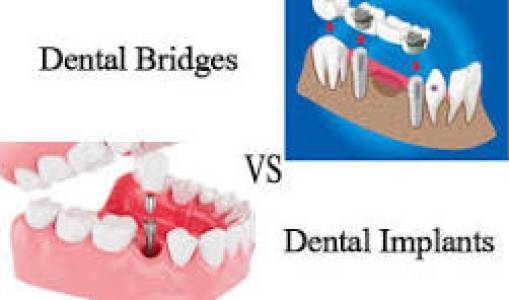
If you have missing teeth and are looking for a fixed, durable, and aesthetic solution, a dental bridge might be the perfect choice. Our experienced team at [Your Dental Clinic Name] will conduct a comprehensive evaluation of your oral health, discuss all available options (including dental implants), and help you choose the best treatment plan to restore your smile.
Schedule Your Consultation Today!
Don't let missing teeth compromise your smile or your health any longer. Contact [Your Dental Clinic Name] to learn more about dental bridges and discover how we can help you achieve a beautiful, functional, and confident smile.
- Call Us: [Your Phone Number]
- Visit Us: [Your Website Link]
- Location: [Your Clinic Address]
[Your Dental Clinic Name] – Your Partner in Oral Health and Beautiful Smiles.