Description
Restore Your Smile and Strength with Dental Crowns
Reclaim Your Oral Health & Confidence
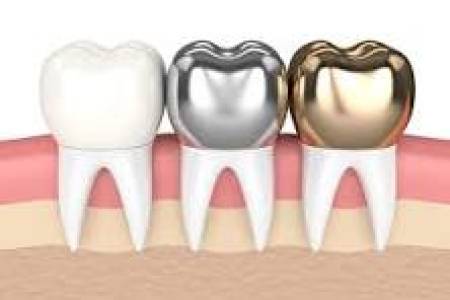
A dental crown, often referred to as a "cap," is a custom-made restoration designed to completely cover your entire tooth, restoring its original shape, size, strength, and aesthetic appearance. It's a versatile and durable solution for a variety of dental concerns, meticulously crafted to blend seamlessly with your natural smile.
Why Consider a Dental Crown?
Dental crowns are a highly effective treatment for numerous conditions that compromise the health and integrity of your teeth. You might benefit from a dental crown if you have:
- A Weak Tooth: To protect a tooth at risk of fracturing (e.g., a tooth with a large filling or after root canal treatment).
- A Broken or Severely Worn Tooth: To restore its shape, size, and function.
- A Large Filling: To cover and support a tooth when there isn't enough natural tooth structure left.
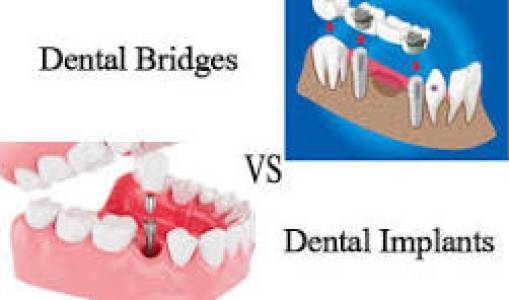
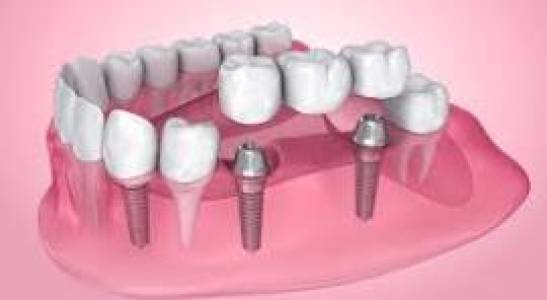
- Dental Implants: To act as the visible, functioning tooth prosthetic on top of a dental implant.
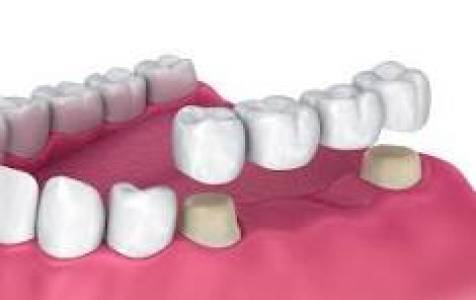
- Dental Bridges: To hold a dental bridge in place, serving as anchors on either side of a missing tooth gap.
- Severely Discolored or Misshapen Teeth: For cosmetic enhancement, creating a uniform and pleasing smile.
- Cracked Tooth Syndrome: To hold together parts of a cracked tooth and prevent further damage.
Explore Your Crown Options: Materials Matter
The choice of material for your dental crown depends on factors such as aesthetics, strength requirements, bite forces, and your individual preferences. We offer a range of high-quality materials to ensure the best outcome for your specific needs:
1. All-Ceramic / Porcelain Crowns
- Description: Made entirely of porcelain or ceramic, these crowns are known for their exceptional aesthetics, mimicking the translucency and color of natural teeth.
- Best For: Front teeth or for patients with metal allergies.
- Pros:
- Most natural-looking option, excellent aesthetics.
- Metal-free, ideal for those with sensitivities.
- No dark line at the gum line.
- Cons:
- Can be more brittle than metal or zirconia, especially in high-stress areas.
- May cause more wear on opposing natural teeth compared to metal.
2. Porcelain Fused to Metal (PFM) Crowns
- Description: These crowns feature a metal alloy base (for strength) covered with a layer of tooth-colored porcelain (for aesthetics).
- Best For: Both front and back teeth where a balance of strength and appearance is desired.
- Pros:
- Strong and durable due to the metal substructure.
- Good aesthetics, though not as translucent as all-ceramic.
- A more economical option than some newer materials.
- Cons:
- A grey line may be visible at the gum line as gums recede over time.
- The porcelain can chip or fracture, exposing the metal underneath.
3. Zirconia Crowns
- Description: Milled from a highly durable and biocompatible ceramic material (zirconium dioxide), zirconia crowns offer exceptional strength and good aesthetics.
- Best For: Back teeth where biting forces are significant, but also increasingly popular for front teeth.
- Pros:
- Extremely strong and resistant to fracture, highly durable.
- Excellent biocompatibility, rarely causing allergic reactions.
- Good aesthetics, can be matched well to natural tooth color.
- No dark line at the gum line.
- Cons:
- Can be very hard, potentially causing wear on opposing natural teeth if not polished meticulously.
- May be less translucent than all-ceramic crowns.
4. E-max Crowns (Lithium Disilicate)
- Description: A type of all-ceramic crown made from lithium disilicate glass-ceramic, renowned for its superior strength-to-thickness ratio and incredible translucency.
- Best For: Front teeth and premolars, single crowns, and veneers where optimal aesthetics are paramount.
- Pros:
- Outstanding aesthetics, highly translucent, closely mimics natural enamel.
- Good strength for an all-ceramic option.
- Minimal tooth reduction required in some cases.
- Cons:
- Not as strong as zirconia or metal crowns, so less suitable for long bridges or areas of extreme bite force.
5. Metal Crowns (Gold Alloys & Base Metal Alloys)
- Description: Made from high-noble alloys (like gold or platinum) or base-metal alloys, these crowns are known for their incredible strength and durability.
- Best For: Back molars where aesthetics are less of a concern but maximum strength is required.
- Pros:
- Exceptional strength and longevity.
- Requires minimal tooth reduction.
- Very gentle on opposing natural teeth.
- Less prone to chipping or breaking.
- Cons:
- Metallic color, not aesthetically pleasing for visible teeth.
- Can conduct temperature changes more readily.
Your Journey to a Stronger Smile: The Crown Process
Receiving a dental crown typically involves two appointments, ensuring precision and optimal results:
Step 1: Examination & Preparation (First Appointment)
- Comprehensive Examination: We'll thoroughly examine your tooth with X-rays and clinical assessment to ensure it's healthy enough for a crown.
- Local Anesthesia: The area around the tooth will be numbed for your comfort.
- Tooth Reshaping: A small amount of enamel will be carefully removed from the top and sides of your tooth. This creates space for the crown to fit over it perfectly.
- Impressions: Highly accurate impressions (molds) of your prepared tooth and surrounding teeth will be taken. These impressions are sent to a specialized dental laboratory, where your custom crown will be expertly fabricated.
- Temporary Crown: A temporary crown will be placed over your prepared tooth to protect it while your permanent crown is being made.
Step 2: Permanent Crown Placement (Second Appointment)
- Removal of Temporary Crown: Your temporary crown will be gently removed.
- Fit and Shade Verification: We'll carefully check the fit, bite, and shade of your new permanent crown to ensure it meets our high standards and your expectations.
- Permanent Cementation: Once you and your dentist are satisfied, the permanent crown will be securely bonded to your prepared tooth using a strong dental cement.
- Final Adjustments: Any necessary final adjustments to your bite will be made to ensure maximum comfort and function.
(Note: Some clinics offer same-day crowns using CEREC or similar CAD/CAM technology, eliminating the need for a temporary crown and a second appointment. Please inquire if this option is available.)
The Enduring Benefits of Dental Crowns
Investing in a dental crown offers a multitude of advantages for your oral health and overall well-being:
- Restored Tooth Function: Crowns allow you to bite, chew, and speak with confidence and comfort once again.
- Enhanced Aesthetics: They seamlessly blend with your natural teeth, improving the appearance of discolored, misshapen, or damaged teeth.
- Long-Term Protection: Crowns encase and protect weak or damaged teeth from further decay, fracture, or wear.
- Improved Oral Health: By restoring compromised teeth, crowns help maintain proper alignment and prevent shifts in your bite that can lead to other dental issues.
- Durable & Lasting Solution: With proper care, dental crowns can last for many years, providing a reliable and long-term restoration.
- Customized Fit: Each crown is custom-designed to fit your unique tooth structure and bite, ensuring optimal comfort and performance.
Maintaining Your Crown: Simple Steps for Lasting Results
With good oral hygiene and regular dental check-ups, your dental crown can last between 5 to 15 years, or even longer.
- Brush & Floss Regularly: Treat your crowned tooth just like your natural teeth. Brush twice daily and floss once daily, paying special attention to the gum line around the crown.
- Avoid Hard & Sticky Foods: While crowns are strong, try to avoid chewing on extremely hard foods (ice, hard candies) or very sticky foods that could dislodge the crown.
- Nightguards (If Applicable): If you grind or clench your teeth (bruxism), wearing a nightguard can protect your crown and natural teeth from excessive wear.
- Regular Dental Check-ups: Continue with your routine dental cleanings and examinations. Your dentist will monitor the health of your crown and the surrounding tooth structure.
Ready to Restore Your Smile?
Don't let damaged or weakened teeth compromise your confidence or comfort. Dental crowns offer a durable, aesthetic, and long-lasting solution to rejuvenate your smile and restore full oral function.
Contact us today at [Your Clinic Phone Number] or [Your Clinic Website] to schedule a consultation and discover if a dental crown is the right solution for you! Our experienced team is dedicated to providing personalized care and helping you achieve optimal dental health.