Description
Here's a detailed product description for a Dental Crown, formatted in Markdown:
Dental Crown: Restore Strength, Function, and Beauty to Your Smile
Overview
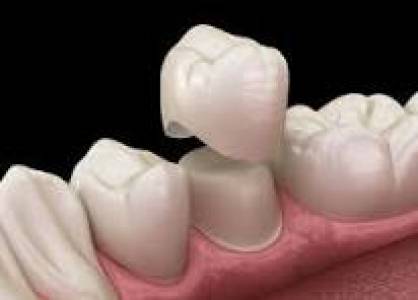
A dental crown, often referred to as a "cap," is a custom-made restoration that completely encases the entire visible portion of a damaged or weakened tooth above the gum line. Designed to restore a tooth's original shape, size, strength, and appearance, a dental crown provides a protective shield, allowing you to chew, speak, and smile with confidence again.
When Might You Need a Dental Crown?
Dental crowns are a versatile solution recommended for a variety of dental conditions:
- Protecting a Weak Tooth: To prevent a tooth with significant cracks or decay from fracturing, or to hold together parts of a cracked tooth.
- Restoring a Broken or Severely Worn Tooth: To rebuild structure and function lost due to trauma or extensive wear.
- Covering and Supporting a Tooth with a Large Filling: When there isn't enough natural tooth structure left to support a traditional filling.
- After a Root Canal Treatment: To protect the tooth from further damage and restore its strength, as root canal-treated teeth can become brittle.
- Holding a Dental Bridge in Place: Crowns are used as anchors on the adjacent teeth to support a prosthetic tooth (pontic) in a bridge.
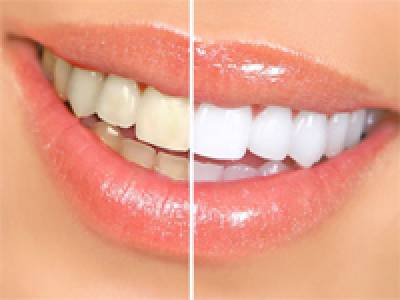
- Covering Severely Discolored or Misshapen Teeth: For cosmetic enhancement and to improve smile aesthetics.
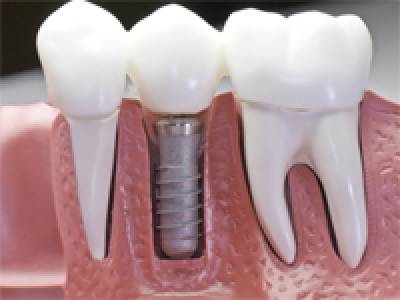
- Covering a Dental Implant: To serve as the visible, functional tooth on top of a surgically placed dental implant.
The Benefits of a Dental Crown
Investing in a dental crown offers numerous advantages for your oral health and overall well-being:
- Restored Strength and Function: Allows you to bite and chew normally without discomfort or fear of further damage.
- Enhanced Aesthetics: Crowns are custom-matched to your natural tooth color, size, and shape, seamlessly blending with your existing teeth for a beautiful, natural-looking smile.
- Pain Relief: Can alleviate sensitivity and pain caused by decay, cracks, or severe wear.
- Protection: Shields vulnerable teeth from further decay, fractures, and bacterial invasion.
- Long-Lasting Solution: With proper care, dental crowns can last for many years, often decades.
- Improved Confidence: A healthy, complete smile can significantly boost self-esteem and social interaction.
Types of Dental Crowns: Materials and Their Advantages
The choice of crown material depends on various factors, including the tooth's location, bite forces, aesthetic preferences, and cost. Your dentist will discuss the best option for your specific needs.
1. Porcelain/Ceramic Crowns (All-Ceramic)
- Description: Made entirely of ceramic material, offering the most natural appearance.
- Advantages:
- Exceptional Aesthetics: Mimics the translucency and color of natural teeth, making them ideal for front teeth.
- Metal-Free: Biocompatible and an excellent option for patients with metal allergies.
- No Grey Line: Eliminates the possibility of a dark line appearing at the gum line over time, which can occur with PFM crowns.
- Considerations: Can be more brittle than metal or zirconia crowns, making them less suitable for heavy bite forces on back molars unless made from newer, stronger ceramic types like E-max.
2. Zirconia Crowns
- Description: A highly durable and biocompatible ceramic material known for its exceptional strength and aesthetic qualities.
- Advantages:
- Outstanding Strength: Extremely resistant to fracture and wear, making them suitable for both front and back teeth.
- Excellent Aesthetics: While very strong, modern zirconia can be highly translucent, offering a natural look.
- Biocompatible: Well-tolerated by the body and less likely to cause allergic reactions.
- Durability: Among the longest-lasting crown materials.
- Considerations: Can be harder on opposing teeth if not properly polished.
3. Porcelain Fused to Metal (PFM) Crowns
- Description: A hybrid crown featuring a metal alloy base (cap) that is covered with a layer of tooth-colored porcelain.
- Advantages:
- Strength & Aesthetics: Offers a good balance of strength (from the metal) and aesthetics (from the porcelain), suitable for both front and back teeth.
- Durability: Resistant to fracture and wear.
- Cost-Effective: Often a more affordable option than all-ceramic or zirconia crowns.
- Considerations:
- Grey Line: Over time, the metal margin can sometimes show as a dark line at the gum line, especially if gums recede.
- Less Translucent: While aesthetic, they don't always achieve the same natural translucency as all-ceramic crowns.
- Metal Component: Not ideal for patients with metal allergies or those seeking a completely metal-free restoration.
4. Gold Alloy Crowns
- Description: Made from a mix of gold and other metal alloys (e.g., copper, silver).
- Advantages:
- Exceptional Durability: Very strong and highly resistant to fracture and wear.
- Gentle on Opposing Teeth: Wears down at a similar rate to natural tooth enamel, preventing excessive wear on adjacent teeth.
- Biocompatible: Well-tolerated by gum tissues.
- Minimal Tooth Removal: Requires less tooth reduction during preparation compared to other crown types.
- Considerations:
- Aesthetics: The metallic color is not tooth-colored, making them suitable primarily for molars or for patients who prefer the appearance.
- Cost: Can be more expensive due to the precious metal content.
The Crown Placement Process
Typically, receiving a dental crown involves two appointments:
- First Appointment (Preparation & Impression):
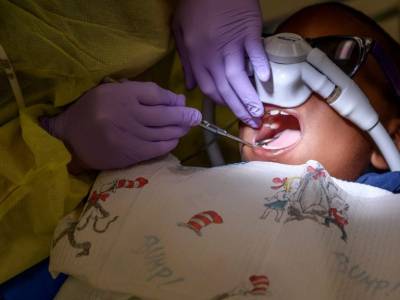
- Diagnosis and Planning: Your dentist will examine the tooth, take X-rays, and discuss the best crown material for you.
- Tooth Preparation: The tooth is carefully shaped and reduced to create space for the crown to fit over it.
- Impressions/Scans: A precise impression or digital scan of your prepared tooth (and surrounding teeth) is taken. This impression is sent to a dental lab where your custom crown will be fabricated.
- Temporary Crown: A temporary crown is placed to protect the prepared tooth while your permanent crown is being made.
- Second Appointment (Placement of Permanent Crown):
- Removal of Temporary Crown: The temporary crown is gently removed.
- Fit and Shade Verification: Your dentist will carefully check the fit, bite, and shade of your new permanent crown.
- Cementation: Once you and your dentist are satisfied, the crown is permanently bonded to your tooth using a strong dental cement.
- Final Adjustments: Any necessary adjustments to your bite are made to ensure comfort and proper occlusion.
Caring for Your Dental Crown
With proper care, your dental crown can last for many years. Follow these guidelines:
- Maintain Excellent Oral Hygiene: Brush twice daily with fluoride toothpaste and floss at least once a day, paying special attention to the area around the crown and gum line.
- Regular Dental Check-ups: Visit your dentist for routine examinations and professional cleanings every six months.
- Avoid Hard or Sticky Foods: Refrain from chewing on ice, hard candies, or very sticky foods that could dislodge or damage the crown.
- Address Bruxism: If you grind or clench your teeth (bruxism), your dentist may recommend a nightguard to protect your crown and natural teeth from excessive wear.
Invest in Your Smile and Oral Health
A dental crown is more than just a dental procedure; it's an investment in your health, comfort, and confidence. By restoring the integrity and aesthetics of a compromised tooth, a crown helps preserve your natural dentition and supports your overall oral health for years to come.
Ready to learn more or wondering if a dental crown is right for you?
Contact us today to schedule a consultation with our experienced dental team!
Disclaimer: This product description provides general information and is not a substitute for professional dental advice. Individual treatment plans and outcomes may vary. Always consult with a qualified dental professional to discuss your specific needs and determine the most appropriate treatment options for your oral health.