Description
Root Canal Therapy: Restore Your Smile, Eliminate Pain
Experiencing persistent tooth pain, sensitivity, or swelling? Don't let dental discomfort dictate your life. Root Canal Therapy (RCT) is a highly effective, modern procedure designed to save your natural tooth, eliminate pain, and restore your oral health.
What is Root Canal Therapy?
Often misunderstood, Root Canal Therapy is a sophisticated dental procedure performed when the soft tissue inside your tooth (the pulp), which contains nerves, blood vessels, and connective tissue, becomes inflamed, infected, or damaged. This can happen due to deep decay, repeated dental procedures on the tooth, a crack or chip in the tooth, or trauma.
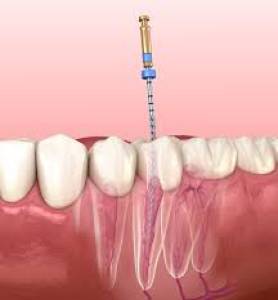
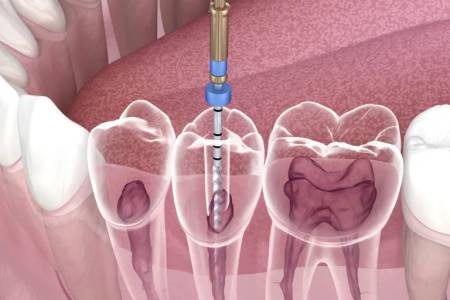
During the procedure, the infected or inflamed pulp is carefully removed, the inside of the tooth is thoroughly cleaned and disinfected, and then it's filled and sealed. This treatment prevents further infection, alleviates pain, and allows you to retain your natural tooth rather than needing an extraction.
Key Features & Benefits
- Exceptional Pain Relief: The primary goal of RCT is to eliminate the source of your pain by removing the infected pulp. Modern techniques and anesthesia ensure the procedure is comfortable.
- Preserves Your Natural Tooth: Unlike extraction, RCT allows you to keep your natural tooth, maintaining your bite and preventing the need for more complex and costly restorative solutions like dental implants or bridges.
- Prevents Infection Spread: By removing infected tissue, RCT stops the spread of bacteria to other teeth, gums, and even into your bloodstream, protecting your overall health.
- Restores Oral Function: Once treated and properly restored (usually with a crown), your tooth will function normally for biting and chewing, allowing you to enjoy your favorite foods again.
- Aesthetically Pleasing: A permanent crown or filling after RCT will protect the tooth and restore its natural appearance, blending seamlessly with your other teeth.
- Long-Term Solution: With proper care and oral hygiene, a treated tooth can last a lifetime, making RCT a durable and reliable investment in your dental health.
The Procedure: What to Expect
Root Canal Therapy is typically performed in one or two appointments, depending on the complexity of the case and the extent of the infection.
- Diagnosis & Anesthesia: Your dentist will take X-rays to assess the extent of the infection and administer local anesthesia to numb the tooth and surrounding area, ensuring a pain-free experience.
- Access Opening: A small opening is made in the crown of the tooth to access the pulp chamber and root canals.
- Pulp Removal & Cleaning: The infected or inflamed pulp is carefully removed using specialized instruments. The canals are then thoroughly cleaned, disinfected, and shaped.
- Filling & Sealing: The cleaned canals are filled with a biocompatible, rubber-like material called gutta-percha, which is sealed with an adhesive cement to prevent reinfection.
- Temporary Restoration: A temporary filling is placed in the access opening to protect the tooth until a permanent restoration can be applied.
- Permanent Restoration (Crown): In most cases, a dental crown is highly recommended after RCT to protect the treated tooth from fracture and restore its full function and appearance. This is usually done in a subsequent appointment.
Who Is Root Canal Therapy For?
You might be a candidate for Root Canal Therapy if you experience any of the following symptoms:
- Severe toothache pain upon chewing or application of pressure.
- Prolonged sensitivity to hot or cold temperatures (after the source of heat or cold has been removed).
- Discoloration or darkening of the tooth.
- Swelling and tenderness in the surrounding gums.
- A persistent "pimple" on the gums.
- Deep decay or a crack/chip in the tooth that has reached the pulp.
Important Considerations
- Is it painful? With modern anesthetics and techniques, a root canal procedure is often no more uncomfortable than having a filling placed. The goal is relief from pain, not to cause it.
- Aftercare: After the procedure, it's normal to experience some mild sensitivity or discomfort for a few days, which can be managed with over-the-counter pain relievers. You should avoid chewing on the treated tooth until the permanent restoration (crown) is in place.
- Success Rate: Root canal therapy has a very high success rate, often exceeding 95% when performed by experienced professionals and followed by proper restoration.
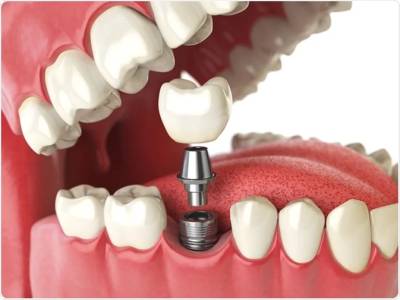
- Alternatives: The only alternative to root canal therapy for an infected tooth is extraction. While extraction removes the problem tooth, it creates new issues, potentially leading to shifting teeth, difficulty chewing, and the need for further restorative work (like an implant or bridge).
Ready to Find Relief?
Don't live with persistent dental pain or risk losing your tooth unnecessarily. Root Canal Therapy offers a safe, effective, and long-lasting solution to preserve your natural smile and health.
Contact us today for a comprehensive consultation to determine if Root Canal Therapy is the right solution for you. Reclaim your comfort and oral health!
Disclaimer: This product description is for informational purposes only and does not constitute medical advice. Root canal therapy is a medical procedure. Individual results may vary. Always consult with a qualified dental professional to discuss your specific condition and treatment options.