Description
Root Canal Therapy: Restore Your Health, Save Your Natural Tooth
Slogan: End Pain, Preserve Your Smile, Reclaim Your Oral Health.
🦷 What is Root Canal Therapy?
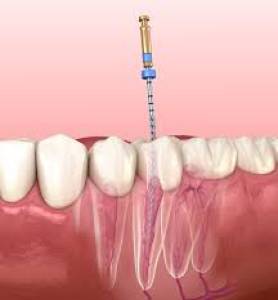
Root Canal Therapy, also known as endodontic treatment, is a highly effective and common dental procedure designed to save a severely damaged or infected tooth. Instead of extracting a compromised tooth, root canal therapy allows us to remove the diseased or inflamed pulp (the soft tissue inside your tooth containing nerves and blood vessels), clean and disinfect the root canal system, and then seal it to prevent further infection.
This treatment aims to eliminate pain and discomfort, prevent the spread of infection, and preserve the natural structure and function of your tooth for years to come.
🤔 Why Might You Need Root Canal Therapy?
Root canal therapy is typically recommended when the pulp inside your tooth becomes inflamed, infected, or necrotic (dead). This can be caused by:
- Deep Decay: Extensive cavities that reach the pulp chamber.
- Repeated Dental Procedures: Multiple fillings or repairs on the same tooth.
- Cracked or Chipped Tooth: Trauma that exposes the pulp to bacteria.
- Trauma to the Tooth: A severe blow to the tooth, even without a visible crack.
- Severe Toothache: Persistent, throbbing pain that can be spontaneous or worsen with pressure.
- Lingering Sensitivity: Prolonged sensitivity to hot or cold temperatures, even after the stimulus is removed.
- Swelling and Tenderness: Pain, swelling, or a "pimple-like" bump (fistula) on the gums near the affected tooth.
- Tooth Discoloration: Darkening of the tooth due to pulp death.
If you experience any of these symptoms, it's crucial to seek prompt dental evaluation to determine if root canal therapy is the right solution for you.
✨ Benefits of Root Canal Therapy
Choosing root canal therapy offers numerous advantages over tooth extraction:
- Effective Pain Relief: Immediately alleviates the severe pain and discomfort caused by infection or inflammation.
- Preserves Your Natural Tooth: Saves your tooth, allowing you to maintain your natural smile, chewing function, and speech.
- Prevents Spread of Infection: Eliminates bacteria from the root canal system, preventing the infection from spreading to other teeth or surrounding bone.
- Maintains Oral Structure: Keeps your natural tooth in place, preventing adjacent teeth from shifting and preserving your bite alignment.
- Cost-Effective Long-Term: Often more economical than extracting the tooth and replacing it with a bridge, implant, or partial denture.
- High Success Rate: Modern root canal procedures boast a very high success rate, with treated teeth often lasting a lifetime with proper care.
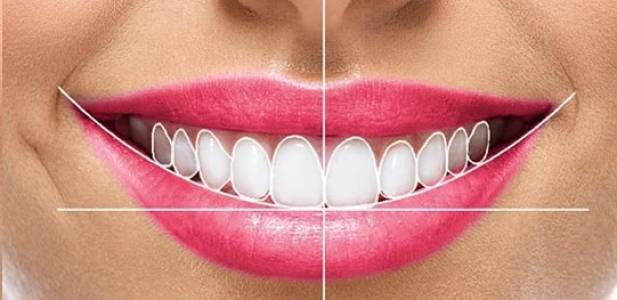
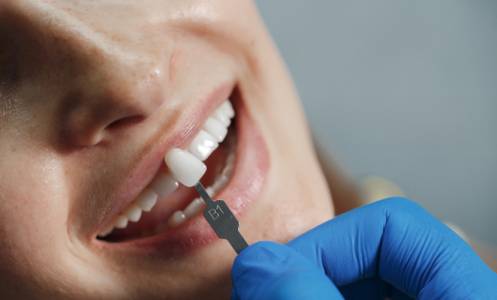
- Improved Aesthetics: With a proper final restoration (often a crown), the treated tooth will look and function just like your other teeth.
⚙️ The Root Canal Procedure: What to Expect
Root canal therapy is typically performed in one or two appointments and is often no more uncomfortable than a routine filling, thanks to modern anesthetics.
- Diagnosis and X-rays: The dentist will examine your tooth and take X-rays to assess the extent of the infection and plan the treatment.
- Anesthesia: Local anesthetic is administered to completely numb the affected tooth and surrounding area, ensuring a pain-free experience.
- Isolation: A rubber dam is placed around the tooth to keep it dry and free from saliva during the procedure, preventing contamination.
- Access Opening: A small opening is made through the crown of the tooth to access the pulp chamber and root canals.
- Pulp Removal: The infected or inflamed pulp tissue is carefully removed using specialized instruments.
- Cleaning and Shaping: The root canals are thoroughly cleaned, disinfected, and shaped to prepare them for filling.
- Filling the Canals: The cleaned and shaped canals are filled with a biocompatible material, typically gutta-percha, to prevent re-infection.
- Sealing and Temporary Filling: A temporary filling is placed to seal the access opening.
- Final Restoration: In most cases, a dental crown is placed on the treated tooth during a subsequent visit. This crown protects the weakened tooth from future fractures and restores its full strength and aesthetics.
🤝 After Your Root Canal Therapy
It's common to experience mild sensitivity or soreness for a few days after the procedure, especially when chewing. This can usually be managed with over-the-counter pain relievers.
- Avoid Chewing: Try to avoid chewing on the treated tooth until your permanent restoration (crown) is in place.
- Good Oral Hygiene: Maintain excellent oral hygiene, including brushing twice a day and flossing daily.
- Follow-Up: Attend all scheduled follow-up appointments, especially for the placement of your permanent crown.
With proper care and regular dental check-ups, your root canal-treated tooth can last a lifetime!
Don't let dental pain dictate your life or compromise your smile. If you suspect you may need root canal therapy, contact us today for a comprehensive consultation. We're here to provide gentle, effective treatment and help you achieve optimal oral health.
[Your Clinic Name/Contact Information/Website]