Description
Here's a detailed product description for Root Canal Treatment, formatted in Markdown:
Root Canal Treatment (Endodontic Therapy)
Save Your Natural Tooth, Eliminate Pain, and Restore Oral Health
Overview
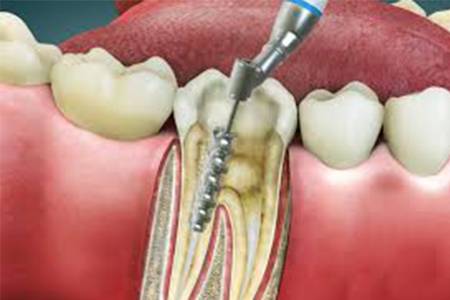
Often misunderstood, Root Canal Treatment (RCT), or Endodontic Therapy, is a highly effective and routine dental procedure designed to save a tooth that has become severely infected or damaged. Instead of extracting the affected tooth, this treatment removes the inflamed or infected pulp (the soft tissue inside your tooth), thoroughly cleans and disinfects the inner chamber, and then fills and seals it. The goal is to relieve pain, prevent the spread of infection, and preserve your natural tooth for a lifetime.
Who Needs Root Canal Treatment? (Indications)
You might be a candidate for Root Canal Treatment if you are experiencing one or more of the following symptoms:
- Persistent and severe toothache: Especially when chewing or applying pressure.
- Sensitivity to hot and cold that lingers: After the hot or cold stimulus is removed.
- Swelling and tenderness: In the surrounding gums, or even in your face or neck.
- A small, pimple-like bump on the gums (fistula): This indicates an active infection that is draining.
- Discoloration or darkening of the tooth: Often a sign of nerve damage or death.
- Deep decay: Reaching the pulp chamber, exposing it to bacteria.
- Trauma to the tooth: A chip or crack that exposes the pulp, or an injury that damages the nerve.
Benefits of Root Canal Treatment
Choosing Root Canal Treatment offers numerous advantages:
- Pain Relief: The primary benefit, immediately alleviating the severe discomfort caused by an infected pulp.
- Preserves Natural Tooth: Prevents the need for extraction, allowing you to keep your natural bite, chewing function, and smile.
- Prevents Infection Spread: Stops bacteria from spreading to other teeth, gums, and potentially into your bloodstream.
- Restores Chewing Function: Allows you to eat comfortably and normally again without pain.
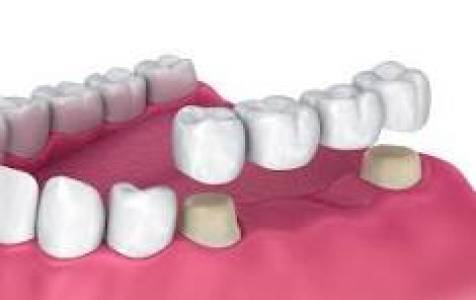
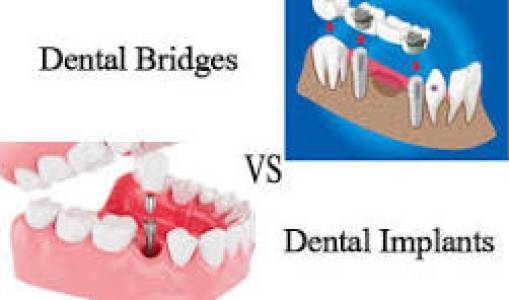
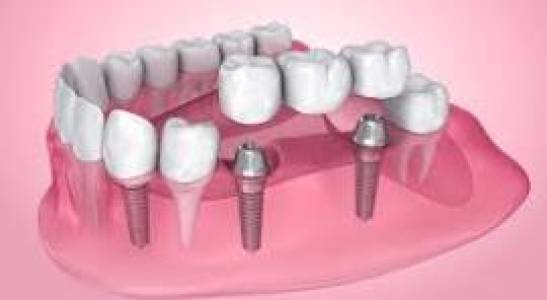
- Maintains Oral Aesthetics: Your natural tooth is preserved, avoiding gaps or the need for prosthetics like bridges or implants (which can be more costly).
- Cost-Effective: Often less expensive in the long run than extraction followed by a replacement solution.
The Root Canal Process (Step-by-Step)
Our compassionate and skilled dental team performs Root Canal Treatment with precision and care, ensuring your comfort throughout the procedure.
- Diagnosis & Anesthesia: We begin with a thorough examination, including X-rays, to confirm the diagnosis. Local anesthesia is administered to numb the affected tooth and surrounding area, ensuring a pain-free experience.
- Access Opening: A small opening is made through the crown of the tooth to access the pulp chamber and root canals.
- Cleaning & Shaping: Tiny, flexible instruments are used to carefully remove the infected or inflamed pulp tissue, bacteria, and debris from within the canals. The canals are meticulously shaped to prepare them for filling.
- Irrigation & Disinfection: Throughout the cleaning process, the canals are flushed with an antiseptic solution to thoroughly disinfect and wash away any remaining bacteria.
- Filling (Obturation): Once the canals are clean and dry, they are filled with a biocompatible, rubber-like material called gutta-percha. This material, combined with a sealer, completely fills and seals the canals to prevent re-infection.
- Temporary Sealing: A temporary filling is placed in the access opening to protect the tooth until the permanent restoration.
- Permanent Restoration: In most cases, a dental crown is highly recommended after a root canal. This restoration covers the entire tooth, providing strength, protecting it from fracture, and restoring its full function and appearance.
Why Choose [Your Clinic Name] for Your Root Canal Treatment?
At [Your Clinic Name], we understand that the thought of a root canal can be daunting. That's why we prioritize your comfort, safety, and successful outcome:
- Experienced Endodontists/Dentists: Our highly trained dental professionals have extensive experience in performing root canal treatments with precision and care.
- Advanced Technology: We utilize state-of-the-art diagnostic tools and treatment equipment (e.g., digital X-rays, rotary instruments, dental microscopes) to ensure accuracy and efficiency.
- Comfort-Focused Approach: From gentle anesthesia techniques to sedation options, we strive to make your experience as comfortable and stress-free as possible.
- Transparent Communication: We believe in educating our patients. You'll receive a clear explanation of your diagnosis, treatment plan, and what to expect every step of the way.
- Strict Sterilization Protocols: Your health and safety are paramount. We adhere to the highest standards of sterilization and infection control.
- Comprehensive Follow-up: We ensure proper healing and provide detailed post-treatment care instructions to maximize the longevity of your treated tooth.
Post-Treatment Care
After your root canal, it's crucial to follow these guidelines for optimal healing and longevity:
- Avoid Chewing on the Tooth: Until your permanent restoration (crown) is placed, avoid biting or chewing directly on the treated tooth to prevent fracture.
- Maintain Oral Hygiene: Continue regular brushing, flossing, and antiseptic rinses to keep your mouth clean.
- Return for Permanent Restoration: This is a vital step. The crown protects the root canal-treated tooth from future damage and ensures its long-term success.
- Report Any Issues: Contact us immediately if you experience severe pain, swelling, or any unusual symptoms after treatment.
Frequently Asked Questions (FAQs)
Q: Is a root canal painful?
A: With modern anesthesia techniques, the root canal procedure itself is typically no more uncomfortable than having a regular filling. The treatment is designed to relieve the pain caused by the infection, not create more.
Q: How long does a root canal take?
A: A single root canal appointment usually takes between 60 to 90 minutes, though complex cases or those requiring multiple canals may take longer or necessitate a second visit.
Q: What if I don't get a root canal?
A: If left untreated, the infection will spread, leading to severe pain, swelling, bone loss around the tooth, and potentially systemic health issues. Eventually, the tooth will need to be extracted.
Q: How long will the treated tooth last?
A: With proper care and a good final restoration (usually a crown), a tooth treated with a root canal can last a lifetime.
Q: Will I need a crown after a root canal?
A: In most cases, yes. A tooth that has undergone root canal treatment can become brittle and prone to fracture. A dental crown provides essential protection, restoring the tooth's strength and function.
Don't Let Tooth Pain Control Your Life!
If you are experiencing symptoms of an infected tooth, don't delay treatment. Contact [Your Clinic Name] today to schedule a comprehensive consultation. Our team is ready to provide you with gentle, effective care to save your tooth and restore your oral health.
📞 [Your Phone Number] 📧 [Your Email Address] 📍 [Your Clinic Address] 🌐 [Your Website]
Disclaimer: This product description is for informational purposes only and does not constitute medical advice. A proper diagnosis and treatment plan can only be provided by a qualified dental professional after a thorough examination. Individual results may vary.