Description
Comprehensive Root Canal Treatment: Preserving Your Natural Smile & Eliminating Pain
Introduction
Experiencing severe tooth pain, prolonged sensitivity, or noticing swelling around a tooth? These could be signs of an infected or damaged tooth pulp, a condition that, if left untreated, can lead to tooth loss and spread of infection.
Root Canal Treatment (RCT) is a highly effective and advanced dental procedure designed to save a natural tooth that has become severely infected or damaged inside. Far from the fearful reputation of the past, modern root canal therapy is a comfortable and routine procedure that can alleviate pain, eliminate infection, and allow you to keep your natural tooth for a lifetime.
What is Root Canal Treatment?
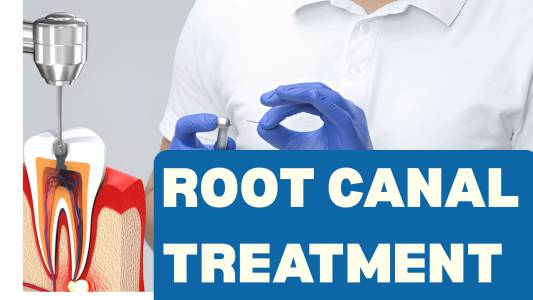
Inside your tooth, beneath the hard enamel and dentin layers, lies the pulp – a soft tissue containing nerves, blood vessels, and connective tissue. When this pulp becomes infected or inflamed due to deep decay, repeated dental procedures, a crack or chip in the tooth, or trauma, it can cause severe pain and lead to an abscess.
Root Canal Treatment involves carefully removing the infected or inflamed pulp, thoroughly cleaning and shaping the inside of the root canal system, and then filling and sealing the space. After the root canal, the tooth is typically restored with a crown to protect it from future damage and restore its full function and appearance.
Key Benefits of Root Canal Treatment
Choosing root canal treatment offers numerous advantages:
- Eliminates Pain: Effectively removes the source of infection and inflammation, providing immediate and lasting relief from severe toothache.
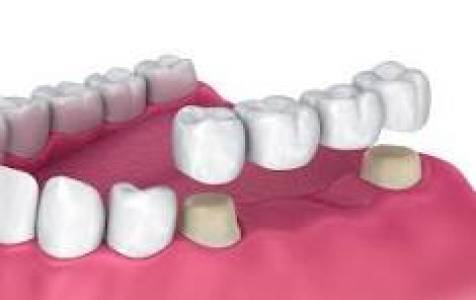
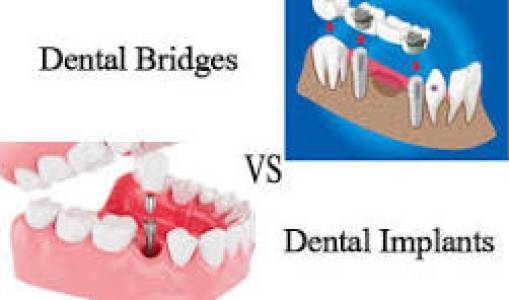
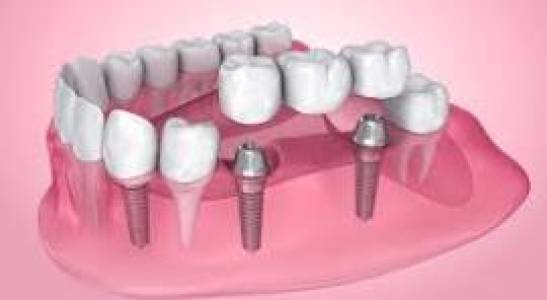
- Saves Your Natural Tooth: Preserves your natural tooth, avoiding the need for extraction and subsequent replacement procedures like implants or bridges.
- Prevents Spread of Infection: Stops the infection from spreading to surrounding teeth, gums, and other parts of your body.
- Restores Chewing Function: Allows you to chew and bite normally without discomfort.
- Maintains Natural Appearance: Keeps your natural smile intact, preventing the gaps that can result from tooth extraction.
- Cost-Effective: Often more economical in the long run than extracting a tooth and replacing it with an artificial one.
- Long-Lasting Solution: With proper care and a final restoration (like a crown), a treated tooth can last a lifetime.
Who Needs Root Canal Treatment?
You might be a candidate for root canal treatment if you experience any of the following symptoms:
- Persistent Tooth Pain: Ranging from mild to severe, constant or intermittent, especially when chewing or applying pressure.
- Prolonged Sensitivity: Painful sensitivity to hot or cold temperatures that lingers even after the source is removed.
- Swelling and Tenderness: Swelling, tenderness, or inflammation in the gums near the affected tooth.
- Pimple-Like Bump on the Gums: A "pimple" or lesion on the gums that releases pus (sign of an abscess).
- Tooth Discoloration: Darkening or discoloration of the tooth.
- Deep Decay or Crack: Evidence of a deep cavity or a crack/chip in the tooth visible on X-rays or during examination.
Our Approach & Technology
We prioritize your comfort and the highest quality of care during your root canal treatment. Our clinic utilizes:
- Experienced Endodontists/Dentists: Highly skilled professionals specializing in root canal therapy.
- Advanced Diagnostic Tools: Digital X-rays and 3D imaging provide precise views of your tooth's internal structure.
- Cutting-Edge Technology: Including dental operating microscopes for enhanced visibility, and specialized rotary instruments for efficient and thorough cleaning and shaping of canals.
- Gentle Anesthesia & Sedation Options: Ensuring a pain-free experience with local anesthesia, and offering sedation options for anxious patients.
- Strict Sterilization Protocols: Adhering to the highest standards of cleanliness and patient safety.
- Personalized Treatment Plans: Tailored to your specific needs and oral health goals.
The Root Canal Procedure: What to Expect
- Diagnosis: Your dentist will take X-rays and conduct tests to accurately diagnose the problem and determine if RCT is necessary.
- Anesthesia: Local anesthetic is administered to numb the tooth and surrounding area, ensuring you feel no pain during the procedure.
- Access Opening: A small opening is made on the crown of the tooth to access the pulp chamber and root canals.
- Pulp Removal & Cleaning: The infected or inflamed pulp is carefully removed. The canals are thoroughly cleaned, shaped, and disinfected using specialized instruments and irrigating solutions.
- Filling & Sealing: Once cleaned and shaped, the canals are filled with a biocompatible material called gutta-percha and sealed to prevent re-infection.
- Temporary Restoration: A temporary filling is placed to seal the access opening until the final restoration.
- Final Restoration (Crown): In most cases, a dental crown is placed over the treated tooth to protect it, restore its strength, and return it to full function and aesthetic appearance. This final step is crucial for the long-term success of the root canal.
Aftercare & Recovery
It's normal to experience some mild soreness or sensitivity for a few days after the procedure, which can be managed with over-the-counter pain relievers. We will provide detailed post-treatment instructions, including:
- Avoiding chewing on the treated tooth until the final crown is placed.
- Maintaining excellent oral hygiene.
- Attending your follow-up appointments.
Don't Let Pain Compromise Your Smile.
If you suspect you may need root canal treatment, don't delay. Early intervention can prevent further complications and ensure the best possible outcome for your tooth.
Contact us today to schedule a consultation and take the first step towards a pain-free, healthy smile!
Important Disclaimer: This product description provides general information about Root Canal Treatment and is not a substitute for professional medical or dental advice. Individual results may vary. A thorough examination and consultation with a qualified dentist or endodontist are essential to determine the most appropriate treatment plan for your specific condition.