Description
Here's a detailed product description for "Root Canal Treatment," framed as a service offered, in Markdown format:
Gentle & Effective Root Canal Treatment: Restore Your Smile, Eliminate Pain
Don't Let Tooth Pain Dictate Your Life!
Experiencing persistent toothache, sensitivity to hot or cold, or swelling around a tooth? You might be a candidate for Root Canal Treatment, a highly effective and common procedure designed to save your natural tooth, eliminate pain, and prevent the spread of infection. At [Your Clinic Name], we combine advanced technology with a compassionate approach to make your root canal experience as comfortable and stress-free as possible.
What is a Root Canal?
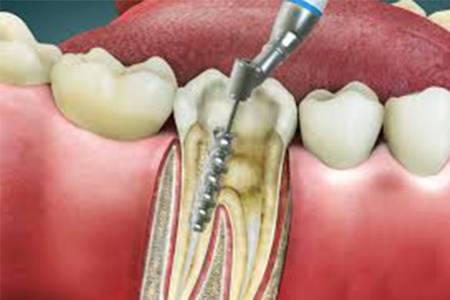
Root Canal Therapy, also known as endodontic treatment, is a procedure designed to remove infected or inflamed pulp (the soft tissue inside your tooth's root canal). Once the pulp is removed, the inside of the tooth is carefully cleaned, disinfected, shaped, and then filled and sealed. This treatment effectively treats the infection, relieves pain, and protects the tooth from future microbial invasion.
Why Might You Need One?
A root canal is typically recommended when the pulp inside your tooth becomes infected or inflamed. This can be caused by:
- Deep Decay: Untreated cavities can reach the pulp.
- Cracked or Chipped Tooth: Can expose the pulp to bacteria.
- Trauma to the Tooth: An injury can damage the pulp, even without visible cracks.
- Repeated Dental Procedures: On the same tooth.
Common Symptoms Indicating a Need for Root Canal:
- Persistent toothache, ranging from mild to severe, especially when chewing.
- Sensitivity to hot or cold temperatures that lingers after the source is removed.
- Swelling and tenderness in the gums near the affected tooth.
- Pimple-like bump on the gums (a fistula).
- Discoloration or darkening of the tooth.
The Benefits of Choosing a Root Canal (Over Extraction)
While tooth extraction is an option for severely damaged teeth, saving your natural tooth through a root canal offers numerous advantages:
- Pain Relief: Eliminates the source of your severe tooth pain and discomfort.
- Preserve Your Natural Smile: Keeps your existing tooth, maintaining its appearance and alignment.
- Maintain Normal Chewing & Sensation: Allows you to continue eating the foods you love without discomfort.
- Prevents Shifting of Adjacent Teeth: A missing tooth can cause other teeth to drift, leading to bite problems.
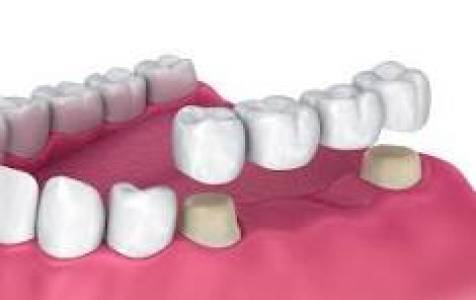
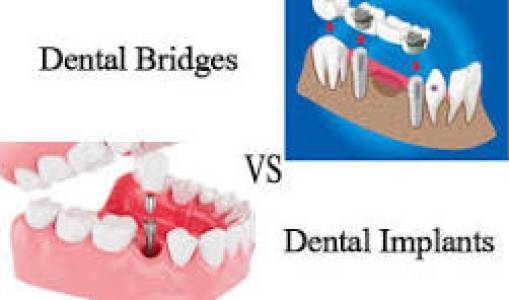
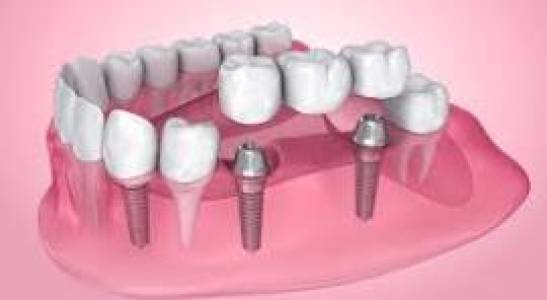
- Cost-Effective Long-Term: Often less expensive and less invasive than tooth replacement options like implants or bridges.
- Prevents Spread of Infection: Stops the infection from affecting other teeth, gums, or even systemic health.
Our Root Canal Process: What to Expect
Your comfort and well-being are our top priorities. Here's a general overview of the steps involved in a root canal at [Your Clinic Name]:
- Comprehensive Examination & Diagnosis: We begin with a thorough examination, including X-rays, to accurately diagnose the problem and confirm the need for a root canal.
- Local Anesthetic: We'll administer a local anesthetic to numb the affected tooth and surrounding area, ensuring you feel no pain during the procedure. Sedation options are also available for anxious patients.
- Access Opening: A small opening is made in the crown of the tooth to access the pulp chamber and root canals.
- Cleaning & Shaping: Using specialized instruments, the infected or inflamed pulp is carefully removed. The root canals are then meticulously cleaned, disinfected, and shaped to prepare them for filling.
- Disinfection: We use advanced irrigation solutions to ensure complete disinfection of the entire root canal system.
- Filling & Sealing: The cleaned and shaped canals are then filled with a biocompatible material, typically gutta-percha, and sealed with an adhesive cement to prevent re-infection.
- Temporary Restoration: A temporary filling is placed in the access opening to protect the tooth until your permanent restoration.
- Permanent Restoration: In most cases, a crown will be recommended to protect the treated tooth from fracture and restore its full function and appearance. This usually occurs in a separate appointment.
Why Choose [Your Clinic Name] for Your Root Canal?
- Experienced & Compassionate Team: Our endodontists and dental professionals have extensive experience in performing root canal procedures with precision and care.
- Advanced Technology: We utilize state-of-the-art equipment, including digital X-rays, rotary endodontic instruments, and operating microscopes, for enhanced accuracy and efficiency.
- Patient Comfort Focus: We prioritize your comfort with amenities, local anesthesia, and various sedation options to ensure a relaxed and pain-free experience.
- Transparent Communication: We explain every step of the process, answer all your questions, and discuss post-procedure care thoroughly.
- Follow-Up Care: We provide detailed aftercare instructions and schedule follow-up appointments to ensure your recovery is smooth and your tooth remains healthy.
Addressing Common Concerns
- Is a root canal painful? With modern anesthetics and techniques, most patients report that the procedure itself is no more uncomfortable than getting a filling. The goal is to relieve your existing pain.
- How long does recovery take? Most patients experience mild sensitivity or discomfort for a few days, which can be managed with over-the-counter pain relievers. You can typically return to normal activities the next day.
- How long does a treated tooth last? With proper care and a good permanent restoration (like a crown), a tooth treated with a root canal can last a lifetime.
- Is it expensive? While the initial cost may seem higher than an extraction, considering the long-term benefits of preserving your natural tooth and avoiding more complex replacement options, a root canal is often a more economical choice. We offer various payment options and work with most insurance providers.
Post-Procedure Care & Maintenance
After your root canal, it's essential to follow our post-operative instructions:
- Avoid chewing on the treated tooth until your permanent crown or restoration is placed.
- Maintain excellent oral hygiene by brushing and flossing regularly.
- Attend regular dental check-ups to monitor the health of your treated tooth and overall oral health.
- Get your permanent crown/restoration as recommended to protect the tooth from future damage.
Ready to Find Relief and Save Your Tooth?
Don't let dental pain compromise your quality of life. A root canal can be the solution you need for lasting comfort and a healthy smile.
Contact Us Today for a Consultation!
Call us at: [YOUR PHONE NUMBER] Visit us at: [YOUR CLINIC ADDRESS] Or schedule online: [LINK TO ONLINE SCHEDULING]
Disclaimer: This information is for general educational purposes only and is not a substitute for professional medical advice, diagnosis, or treatment. Always seek the advice of your qualified healthcare provider with any questions you may have regarding a medical condition or treatment.