Description
Here's a detailed product description for root canal treatment, formatted in Markdown:
Root Canal Treatment: Restore Your Smile, Eliminate Pain
Preserving Your Natural Tooth, One Healthy Root at a Time.
Don't let debilitating tooth pain dictate your life. Our root canal treatment offers a proven and highly effective solution to save an infected or damaged tooth, alleviate discomfort, and restore your oral health.
What is a Root Canal?
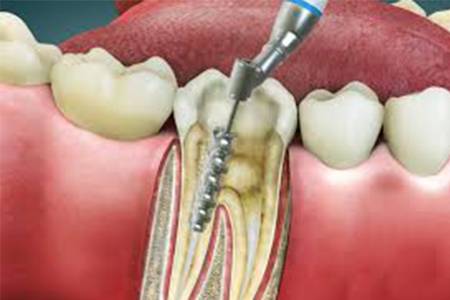
A root canal, or endodontic treatment, is a dental procedure designed to treat infection or damage within the pulp of a tooth. The pulp, located inside your tooth, contains nerves, blood vessels, and connective tissue. When this pulp becomes inflamed or infected due to deep decay, repeated dental procedures, cracks, or trauma, it can cause severe pain, sensitivity, swelling, and even lead to an abscess.
Our treatment meticulously removes the diseased pulp, cleans and disinfects the internal chamber, and then fills and seals it to prevent further infection, allowing you to keep your natural tooth.
Key Benefits of Our Root Canal Treatment:
- Pain Relief: The primary benefit – eliminates the source of severe toothache and sensitivity, allowing you to live comfortably again.
- Tooth Preservation: Saves your natural tooth from extraction, maintaining your natural bite, chewing function, and the aesthetics of your smile.
- Prevents Spread of Infection: Stops the infection from spreading to other teeth, gums, or even into your jawbone, preventing more serious health issues.
- Restores Oral Health: Removes diseased tissue and restores the tooth to a healthy, functional state, contributing to overall oral wellness.
- Long-Lasting Solution: With proper care and a final restoration (like a crown), a treated tooth can last a lifetime, offering a durable solution.
- Comfort-Focused Approach: We prioritize your comfort with effective local anesthesia, modern techniques, and a gentle touch throughout the procedure.
- Experienced Professionals: Performed by highly skilled dentists or specialist endodontists with advanced training and state-of-the-art equipment.
The Treatment Process (What to Expect):
Our root canal treatment is typically completed in one or two appointments, depending on the complexity of the case. Here's what you can expect:
- Diagnosis: A comprehensive examination, including X-rays and possibly vitality tests, will be conducted to accurately diagnose the problem and confirm the need for root canal treatment.
- Anesthesia: Local anesthetic is administered to completely numb the area around the affected tooth, ensuring a comfortable and pain-free procedure.
- Isolation: A rubber dam (a thin sheet of latex or non-latex material) is placed around the tooth to keep it dry, clean, and free from saliva and bacteria during treatment.
- Access Opening: A small opening is carefully made in the crown of the tooth to access the pulp chamber and the root canals.
- Cleaning & Shaping: The infected or inflamed pulp is carefully removed. The root canals are then meticulously cleaned, disinfected, and shaped using specialized instruments to prepare them for filling.
- Filling & Sealing: The cleaned and shaped canals are filled with a biocompatible material, typically gutta-percha, and sealed with an adhesive cement to prevent re-infection.
- Temporary Filling: A temporary filling is placed in the access opening to protect the tooth until your next appointment.
- Final Restoration: In most cases, a dental crown is highly recommended after the root canal. This permanent restoration protects the treated tooth from fracture, restores its full function, and enhances its appearance.
When is a Root Canal Needed?
You might require root canal treatment if you experience any of the following symptoms:
- Persistent, severe toothache that may wake you at night.
- Prolonged sensitivity to hot or cold temperatures, even after the source is removed.
- Swelling and tenderness in the surrounding gums or jaw.
- A small, pimple-like bump on the gums near the affected tooth (fistula), indicating an abscess.
- Discoloration or darkening of the tooth.
- Pain when chewing or applying pressure to the tooth.
- A deep cavity or crack extending into the pulp.
Common Concerns & Misconceptions:
Q: Are root canals painful? A: No! This is a common myth. Modern root canal treatments are performed with effective local anesthesia, making the procedure itself no more uncomfortable than a standard filling. In fact, the treatment actually relieves the severe pain caused by the infection, rather than causing it.
Q: How long does a root canal last? A: With proper care, good oral hygiene, and a final restoration (like a crown) to protect the tooth, a root canal-treated tooth can last a lifetime.
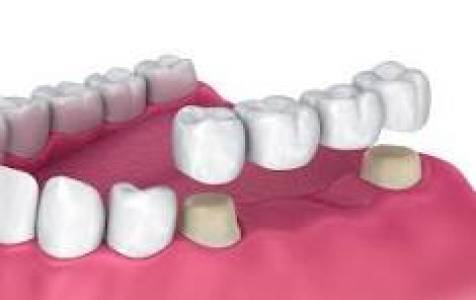
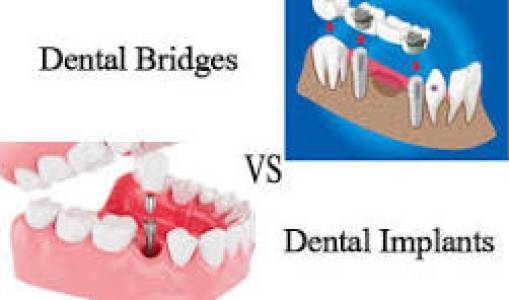
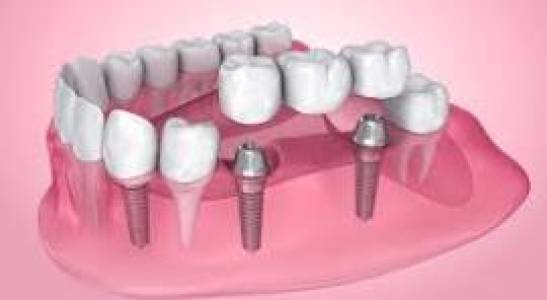
Q: Is it better to just extract the tooth? A: Saving your natural tooth is almost always the best option. An extraction can lead to shifting teeth, bite problems, and the need for more complex and costly solutions like bridges or dental implants later on to replace the missing tooth. Preserving your natural tooth helps maintain your jawbone structure and overall oral health.
Don't Live With Pain!
If you are experiencing any of the symptoms mentioned above, don't delay. Early diagnosis and treatment are crucial for the best outcomes and to prevent further complications. Contact us today to schedule a consultation and find out if root canal treatment is the right solution for you.
[Your Clinic Phone Number] | [Your Clinic Email Address] | [Link to Online Booking Page] [Your Clinic Name/Website]
Disclaimer: This information is for general educational purposes only and does not constitute medical advice. Please consult with a qualified dental professional for diagnosis and treatment recommendations tailored to your specific needs.