Description
Given the broad term "implants," I will focus this detailed product description primarily on Dental Implants, as they are one of the most common and illustrative examples of implant technology. I will also include a brief section acknowledging the broader scope of implantable medical devices.
Implants: The Foundation of Lasting Health & Confidence
Rediscover Your Smile and Functionality with Advanced Dental Implants
Missing teeth can impact more than just your appearance; they can affect your speech, eating habits, jawbone health, and overall quality of life. At [Your Company Name], we offer state-of-the-art dental implants designed to provide a permanent, natural-looking, and highly functional solution for tooth loss. Our implants are engineered for unparalleled stability, comfort, and longevity, restoring your ability to smile, speak, and eat with complete confidence.
What Are Dental Implants?
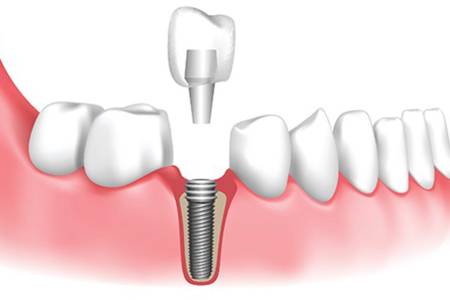
A dental implant is a small, screw-shaped post, typically made from biocompatible titanium. It is surgically placed into the jawbone beneath the gum line, where it acts as an artificial tooth root. Over time, the implant fuses with the bone (a process called osseointegration), creating a strong, stable foundation for a replacement tooth or teeth. Once integrated, a custom-made crown, bridge, or denture can be securely attached, restoring both aesthetics and function.
Key Components of a Dental Implant System:
- The Implant Post (Fixture):
- Material: High-grade, biocompatible titanium or titanium alloy, renowned for its strength and ability to fuse with bone.
- Design: Precision-engineered with specific threads and surface treatments to maximize bone-to-implant contact and accelerate osseointegration.
- Function: Serves as the stable artificial root, surgically placed into the jawbone.
- The Abutment:
- Material: Often titanium, zirconia, or gold alloy.
- Design: A connector piece that screws into the implant post and extends above the gum line.
- Function: Provides the necessary platform for attaching the final prosthetic restoration.
- The Prosthetic Restoration:
- Types:
- Single Crown: For a single missing tooth.
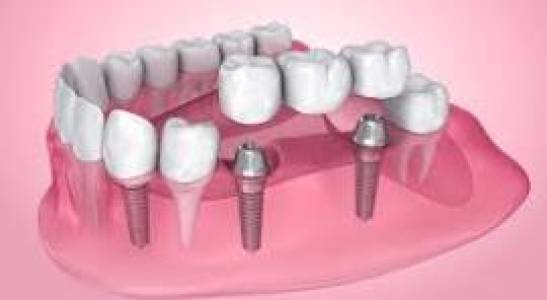
- Implant-Supported Bridge: To replace several missing teeth without affecting adjacent natural teeth.
- Implant-Retained or Implant-Supported Denture: For full arch replacement, offering superior stability and comfort compared to traditional dentures.
- Material: Typically high-quality porcelain, ceramic, or zirconia, custom-matched to your natural tooth color and shape.
- Function: The visible part of the tooth replacement, designed to look, feel, and function like natural teeth.
The Unparalleled Benefits of Dental Implants
Choosing dental implants from [Your Company Name] means investing in a solution that offers a myriad of advantages:
- Natural Appearance & Feel: Custom-designed to match your existing teeth, implants are virtually indistinguishable from natural teeth and feel completely secure.
- Improved Speech: Unlike dentures that can slip and cause mumbled speech, implants are fixed, allowing you to speak clearly and naturally.
- Enhanced Comfort: Being a permanent part of your jaw, implants eliminate the discomfort and irritation often associated with removable dentures.
- Easier Eating: Restore your ability to chew all types of food with confidence and without pain or shifting, enhancing digestion and nutrition.
- Durability & Longevity: With proper care, dental implants can last a lifetime, making them a highly cost-effective long-term solution.
- Bone Preservation: Implants stimulate the jawbone, preventing the bone loss that naturally occurs when teeth are missing. This helps maintain facial structure and prevents a sunken appearance.
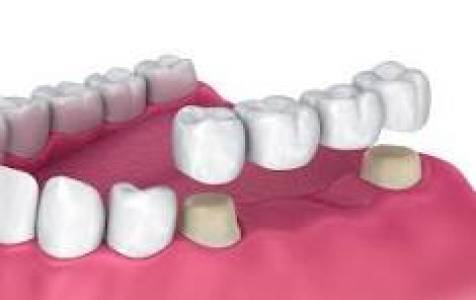
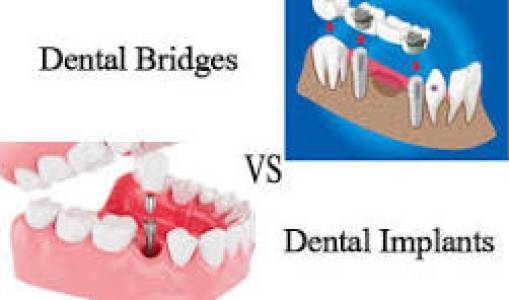
- Protection of Adjacent Teeth: Unlike bridges, implants do not require altering or grinding down healthy adjacent teeth.
- Convenience: Eliminate the need for messy adhesives, overnight soaking, or concerns about dentures slipping.
Who Can Benefit? Ideal Candidates
Dental implants are a versatile solution for many individuals. You may be an ideal candidate if you:
- Are missing one or more teeth.
- Have healthy gum tissues.
- Possess sufficient jawbone density to support the implant (bone grafting may be an option if not).
- Are in good general health and free from conditions that could interfere with bone healing.
- Are committed to good oral hygiene and regular dental check-ups.
- Seek a permanent, stable, and aesthetically pleasing tooth replacement option.
The Journey to a New Smile: A Simplified Overview of the Implant Process
- Initial Consultation & Planning: A comprehensive examination, including 3D imaging (CT scans), to assess your oral health, bone structure, and determine the optimal implant placement.
- Implant Placement: The titanium implant post is surgically placed into the jawbone under local anesthesia.
- Healing & Osseointegration: A crucial period (typically 3-6 months) during which the implant fuses with the jawbone. A temporary restoration may be provided.
- Abutment Placement: Once osseointegration is complete, an abutment is attached to the implant post.
- Prosthetic Restoration: A custom-made crown, bridge, or denture is securely attached to the abutment, completing your new smile.
Lifelong Care & Maintenance
Caring for your dental implants is similar to caring for your natural teeth. Regular brushing, flossing, and routine dental check-ups are essential to ensure the longevity and health of your implants and surrounding gum tissue.
Our Commitment to Excellence
At [Your Company Name], we are dedicated to providing the highest quality dental implant solutions. Our implants are sourced from industry-leading manufacturers, adhering to rigorous international standards for safety, biocompatibility, and performance. We utilize advanced surgical techniques and digital planning tools to ensure precise placement and optimal outcomes for every patient.
Beyond Dental: A Glimpse at Other Implant Technologies
While this description focused on dental implants, the field of implantable medical devices is vast and continually evolving, offering life-changing solutions across various medical specialties. Some other notable categories include:
- Orthopedic Implants: Joint replacements (hip, knee, shoulder), spinal fusion devices, plates, screws, and rods for fracture fixation.
- Cardiovascular Implants: Pacemakers, defibrillators, artificial heart valves, vascular stents.
- Neurological Implants: Cochlear implants for hearing loss, deep brain stimulators (DBS) for conditions like Parkinson's disease, vagus nerve stimulators for epilepsy.
- Ocular Implants: Intraocular lenses (IOLs) for cataract surgery.
- Cosmetic Implants: Breast implants, facial implants (e.g., cheek, chin).
- Drug Delivery Implants: Devices that release medication over an extended period.
These diverse implant technologies share a common goal: to restore function, alleviate pain, and improve the quality of life for millions worldwide.
Take the First Step Towards a Brighter Future
If you're considering dental implants or wish to learn more about how they can transform your oral health and confidence, we invite you to schedule a consultation with our experienced team at [Your Company Name]. Let us help you rediscover the joy of a complete, healthy smile.
[Call to Action: Phone Number, Website, or Appointment Link]
Important Disclaimer
This product description is for informational purposes only and does not constitute medical advice. Dental implant procedures are surgical interventions, and individual results may vary. It is crucial to consult with a qualified dental professional or surgeon to determine if dental implants are the right treatment option for you. They will assess your specific needs, discuss potential risks and benefits, and provide a personalized treatment plan.