Description
Restore Your Smile and Eliminate Pain with Advanced Root Canal Therapy at [Your Clinic Name]
Don't Let Tooth Pain Dictate Your Life. Save Your Natural Tooth.
A root canal, or endodontic treatment, is a highly effective and common dental procedure designed to save a tooth that has become severely infected or inflamed. Often misunderstood and needlessly feared, modern root canal therapy is virtually pain-free and is your best option for relieving discomfort and preserving your natural smile.
At [Your Clinic Name], we combine cutting-edge technology with compassionate care to ensure a comfortable and successful root canal experience.
What is a Root Canal?
Deep inside your tooth, beneath the enamel and dentin, is a soft tissue called the pulp. The pulp contains nerves, blood vessels, and connective tissue. When this pulp becomes infected or inflamed due to deep decay, repeated dental procedures, a crack or chip in the tooth, or trauma, it can cause severe pain, sensitivity, and even lead to an abscess.
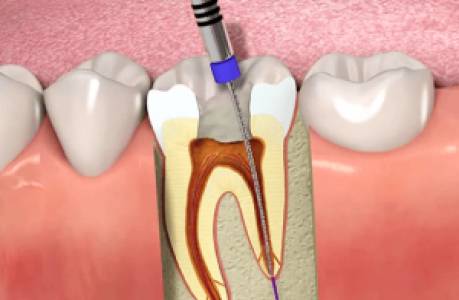
A root canal removes the infected or inflamed pulp, cleans and disinfects the inside of the tooth, and then fills and seals it. This procedure eliminates pain, prevents further infection, and allows you to keep your natural tooth.
Key Benefits of Choosing Root Canal Therapy:
- Immediate and Lasting Pain Relief: The primary benefit is the elimination of the severe pain and discomfort caused by the infected pulp.
- Save Your Natural Tooth: Avoid extraction and preserve your natural alignment, chewing function, and aesthetics.
- Prevent Further Infection: Stops the spread of infection to surrounding teeth, gums, and bone.
- Restore Chewing Efficiency: Once restored, the treated tooth can function like any other natural tooth.
- Maintain Your Natural Appearance: Keeping your natural tooth helps maintain the natural look of your smile and prevents the need for more complex restorative procedures.
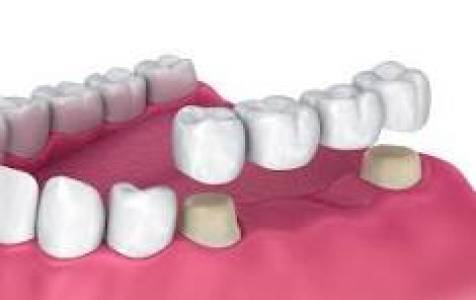
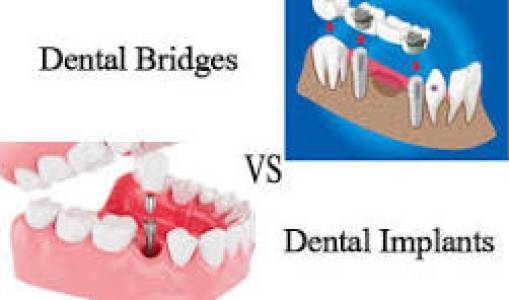
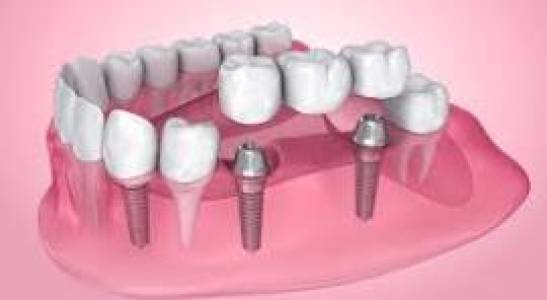
- Cost-Effective Long-Term Solution: Saving your natural tooth is often less expensive than extracting it and replacing it with an implant, bridge, or denture over time.
The Root Canal Procedure: What to Expect
Our skilled endodontists and dental team will guide you through each step of the process with care and clarity.
- Diagnosis and Consultation:
- We'll start with a thorough examination, including digital X-rays and possibly 3D imaging (CBCT scan), to assess the extent of the infection and damage.
- We'll discuss your diagnosis, treatment options, and answer all your questions.
- Anesthesia and Isolation:
- Local anesthesia will be administered to numb the affected tooth and surrounding area, ensuring a completely pain-free experience during the procedure.
- A small rubber dam will be placed around the tooth to keep it dry and free from saliva during treatment, enhancing sterility and visibility.
- Access Opening:
- A small opening is created in the crown of the tooth to access the pulp chamber and root canals.
- Cleaning and Shaping:
- Using specialized, fine instruments (often rotary files), the infected and inflamed pulp is carefully removed from the pulp chamber and root canals.
- The canals are then meticulously cleaned, disinfected, and shaped to prepare them for filling.
- Filling and Sealing:
- The cleaned and disinfected root canals are filled with a biocompatible, rubber-like material called gutta-percha, which is sealed in place with an adhesive cement. This prevents reinfection.
- Temporary or Permanent Restoration:
- A temporary filling is placed in the access opening to protect the tooth until your next appointment.
- In some cases, a permanent filling may be placed immediately.
- Final Restoration (Crown):
- In most cases, a dental crown is essential after a root canal. This custom-made cap provides significant protection, strength, and restores the tooth's shape and appearance, preventing future fractures. Your final crown appointment will be scheduled shortly after your root canal.
Why Choose [Your Clinic Name] for Your Root Canal?
- Experienced Endodontists & Dentists: Our team possesses extensive expertise in advanced root canal techniques, ensuring precision and optimal outcomes.
- State-of-the-Art Technology: We utilize the latest equipment, including:
- Digital X-rays and 3D CBCT Scans: For accurate diagnosis and detailed visualization of tooth anatomy.
- Dental Operating Microscopes: Providing enhanced magnification and illumination for unparalleled precision.
- Rotary Endodontic Instruments: For efficient, comfortable, and predictable canal cleaning and shaping.
- Patient-Centered Care: Your comfort and well-being are our top priorities. We offer:
- Sedation Options: From nitrous oxide (laughing gas) to oral conscious sedation, to help anxious patients relax.
- Comfort Amenities: Blankets, neck pillows, and entertainment options to make your visit more pleasant.
- Clear Communication: We explain every step, ensuring you feel informed and confident.
- Strict Sterilization Protocols: We adhere to the highest standards of sterilization and infection control for your safety.
- Comprehensive Follow-Up: We provide clear post-treatment instructions and schedule follow-up appointments to ensure your recovery and the long-term success of your treatment.
Frequently Asked Questions (FAQ):
Q: Is a root canal painful? A: No, thanks to modern local anesthetics and advanced techniques, a root canal is typically no more uncomfortable than a routine filling. It's designed to relieve pain, not cause it.
Q: How long does the procedure take? A: A root canal usually takes one to two appointments, each lasting 60-90 minutes, depending on the complexity of the tooth and the number of canals.
Q: What happens if I don't get a root canal? A: Ignoring an infected tooth can lead to severe consequences, including persistent pain, abscess formation, bone loss around the tooth, spread of infection to other parts of the body, and eventually, the need for extraction.
Q: Will I need a crown after my root canal? A: In most cases, yes. A root canal-treated tooth can become brittle, and a dental crown is crucial to protect the tooth from fracture, restore its strength, and allow it to function normally for many years.
Q: How much does a root canal cost? A: The cost varies depending on the tooth's location (front teeth are generally simpler than molars) and its complexity. We will provide a detailed estimate during your consultation and discuss your insurance benefits.
Q: How successful are root canals? A: Root canals have a very high success rate, often over 95%, and can last a lifetime with proper oral hygiene and regular dental check-ups.
Don't Suffer in Silence. Take the First Step Towards a Pain-Free Smile.
If you're experiencing persistent tooth pain, sensitivity, or swelling, contact [Your Clinic Name] today. Our expert team is ready to provide an accurate diagnosis and discuss the best treatment plan for you.
Schedule Your Consultation Today!
Phone: [Your Clinic Phone Number] Email: [Your Clinic Email Address] Website: [Your Clinic Website] Address: [Your Clinic Address]
Disclaimer: The information provided here is for general educational purposes only and should not be considered medical advice. Always consult with a qualified dental professional for any health concerns or before making any decisions related to your dental health.