
Here is a detailed product description for Root Canal Therapy in Markdown format, aimed at informing and reassuring potential patients.
Don't let a throbbing tooth dictate your life. Root Canal Therapy (RCT), also known as endodontic treatment, is a highly effective and common dental procedure designed to save a damaged or infected tooth, alleviate severe pain, and restore your oral health.
Far from the myths of the past, modern root canal treatment is comfortable, efficient, and often no more complex than getting a filling. It's the best way to preserve your natural tooth, avoid extraction, and maintain your beautiful smile for years to come.
Inside every tooth is a soft tissue called the pulp, which contains nerves, blood vessels, and connective tissue. When this pulp becomes inflamed or infected due to deep decay, repeated dental procedures, cracks, or trauma, it can cause excruciating pain, swelling, and even lead to an abscess.
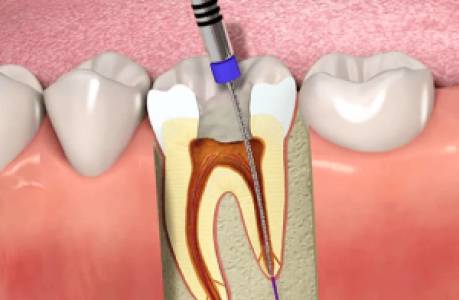
Root Canal Therapy involves carefully removing the infected or inflamed pulp, thoroughly cleaning and disinfecting the inside of the tooth's root canals, and then filling and sealing them to prevent further infection. Afterward, the tooth is typically restored with a crown or filling to protect it and restore its full function.
You might be a candidate for root canal therapy if you experience any of the following symptoms:
Root canal therapy is typically completed in one or two visits, depending on the severity of the infection and the complexity of the case.
Your dentist will take X-rays to assess the extent of the damage and confirm the need for a root canal. Local anesthesia will be administered to numb the affected tooth and surrounding area, ensuring you feel no pain during the procedure.
A small opening is created through the crown of the tooth, providing access to the pulp chamber and root canals.
Tiny instruments are used to meticulously remove the infected or inflamed pulp tissue, bacteria, and debris from the pulp chamber and root canals. The canals are then carefully shaped to prepare them for filling. During this stage, irrigating solutions are used to thoroughly clean and disinfect the canals.
Once the canals are clean and dry, they are filled with a biocompatible material called gutta-percha, a rubber-like compound. This material, along with an adhesive sealer, fills the entire canal system to prevent reinfection.
A temporary filling is placed in the access opening to seal the tooth. In most cases, a permanent restoration – usually a dental crown – is required in a subsequent visit to protect the treated tooth from future fractures and restore its full function and aesthetic.
While extraction seems like a quick fix, it can lead to a cascade of problems:
Root canal therapy allows you to keep your natural tooth, which is almost always the best option for your oral health and overall well-being.
No! The myth of the painful root canal is outdated. Thanks to modern anesthetics and advanced techniques, the procedure itself is typically no more uncomfortable than having a routine filling. In fact, the goal of root canal therapy is to relieve the pain caused by the infection, not create more. Any post-procedure discomfort is usually mild and manageable with over-the-counter pain medication.
Don't let dental pain impact your quality of life. If you're experiencing symptoms of an infected tooth, our compassionate and experienced dental team is here to help. We prioritize your comfort and will clearly explain every step of the root canal procedure.
Contact us today to schedule a consultation and find out if root canal therapy is the right solution for you. Let us help you relieve your pain and restore your healthy, beautiful smile!
Disclaimer: This product description is for informational purposes only and does not constitute medical advice. Individual results may vary. Please consult with a qualified dental professional to determine the best course of treatment for your specific needs.