Description
This detailed product description for a root canal is crafted to be informative, reassuring, and address common patient concerns, using Markdown for clear formatting.
Root Canal Treatment: Save Your Natural Tooth & End Pain
Are you experiencing persistent tooth pain, extreme sensitivity, or swelling around a specific tooth? You might be suffering from an infected or damaged tooth pulp, a condition that can cause significant discomfort and, if left untreated, lead to serious complications and even tooth loss.
Root Canal Treatment (RCT), also known as Endodontic Therapy, is a highly effective and common dental procedure designed to save your natural tooth, eliminate infection, and restore your oral health. Despite common misconceptions, modern root canal treatments are virtually pain-free and can offer lasting relief.
What is a Root Canal?
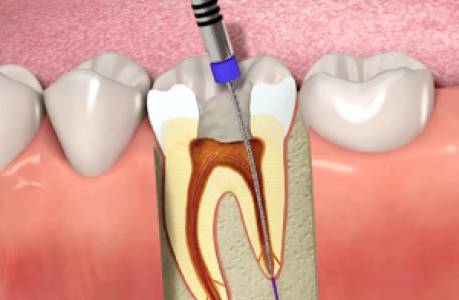
A root canal is a procedure performed to remove infected or inflamed pulp (the soft tissue inside your tooth containing nerves, blood vessels, and connective tissue). Once the diseased pulp is removed, the inside of the tooth is carefully cleaned and disinfected, then filled and sealed. This treatment allows you to keep your natural tooth, preventing the need for extraction and maintaining the integrity of your bite.
Key Benefits of Root Canal Treatment:
- Eliminates Pain & Discomfort: Directly targets the source of infection and inflammation, providing significant and lasting relief from toothache.
- Saves Your Natural Tooth: Avoids tooth extraction, preserving your natural smile and bite alignment.
- Prevents Further Infection: Removes bacteria and infected tissue, stopping the spread of infection to other teeth or into the jawbone.
- Restores Normal Function: Once treated and restored (often with a crown), the tooth can function normally for chewing and speaking.
- Maintains Oral Health & Aesthetics: Keeping your natural tooth helps prevent shifting of adjacent teeth, preserves bone structure, and maintains the natural appearance of your smile.
- Long-Term Solution: With proper care, a successfully treated tooth can last a lifetime.
When is a Root Canal Needed? (Indications)
You might need a root canal if you experience:
- Persistent Tooth Pain: Ranging from mild sensitivity to severe, throbbing pain, especially when chewing.
- Sensitivity to Hot and Cold: Lingering sensitivity after exposure to hot or cold temperatures, even after the source is removed.
- Swelling and Tenderness: Swelling in the gums around the affected tooth, or tenderness when touching the tooth or surrounding gums.
- Pimple on the Gums: A recurring or persistent "pimple" or lesion on the gums, which indicates pus draining from an infected tooth.
- Tooth Discoloration: Darkening of the tooth, often signaling a damaged pulp.
- Deep Decay or Trauma: A large cavity or a crack/chip in the tooth that has reached the pulp.
What to Expect: The Root Canal Procedure (A Step-by-Step Overview)
Modern root canal treatments are highly predictable and comfortable, typically completed in one or two appointments.
- Diagnosis & Anesthesia:
- Your dentist will examine the tooth and take X-rays to confirm the diagnosis and assess the extent of the infection.
- Local anesthesia will be administered to numb the tooth and surrounding area, ensuring you feel no pain during the procedure.
- Access Opening:
- A small opening is created in the crown of the tooth to access the pulp chamber and root canals.
- Pulp Removal:
- The infected or inflamed pulp is carefully removed from the pulp chamber and root canals using specialized instruments.
- Cleaning & Shaping:
- The root canals are thoroughly cleaned, disinfected, and shaped to prepare them for the filling material.
- Filling & Sealing:
- The cleaned and shaped canals are filled with a biocompatible material called gutta-percha, which is then sealed with an adhesive cement to prevent reinfection.
- Restoration:
- A temporary filling is placed in the access opening.
- In most cases, a permanent crown or other restorative filling will be placed on the treated tooth in a subsequent visit. This is crucial to protect the tooth from future damage and restore its full function and appearance.
Why Choose Our Practice for Your Root Canal?
- Experienced & Gentle Professionals: Our highly skilled dentists and endodontists utilize the latest techniques and technology to ensure a precise, effective, and comfortable procedure.
- State-of-the-Art Technology: We employ advanced tools such as digital X-rays, rotary instruments, and apex locators for superior precision and efficiency.
- Patient-Centered Comfort: We prioritize your comfort and well-being, offering sedation options and a calming environment to ease any anxiety.
- Comprehensive Care: From accurate diagnosis to expert treatment and follow-up restoration, we provide a seamless and complete care experience.
- Sterilization & Safety: Adherence to the highest standards of sterilization and safety protocols for your protection.
Post-Procedure Care
After your root canal, it's normal to experience some mild sensitivity or tenderness for a few days, which can be managed with over-the-counter pain relievers.
- Avoid chewing on the treated tooth until your permanent restoration (crown or permanent filling) is placed.
- Maintain excellent oral hygiene with regular brushing and flossing.
- Attend all follow-up appointments as scheduled.
Don't Let Tooth Pain Dictate Your Life!
If you suspect you may need a root canal, don't delay treatment. Early intervention can prevent more serious problems and ensure the best possible outcome.
Contact us today to schedule a consultation and take the first step towards a pain-free, healthy smile!
Disclaimer: This product description provides general information about root canal treatment. It is not a substitute for professional dental advice, diagnosis, or treatment. Individual results may vary. Please consult with a qualified dental professional to determine the best course of action for your specific condition.