Description
Root Canal Treatment: Restore Your Smile, Preserve Your Tooth
What is a Root Canal?
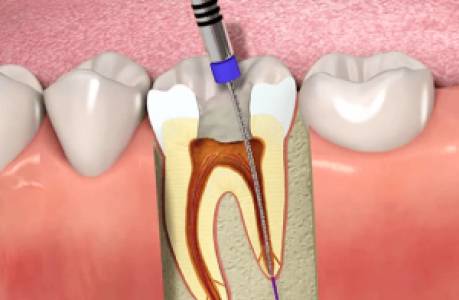
A root canal, also known as endodontic treatment, is a highly effective and common dental procedure designed to save a tooth that has been severely damaged due to infection, decay, or trauma. At its core, a root canal involves removing the inflamed or infected pulp (the soft inner tissue containing nerves, blood vessels, and connective tissue) from inside the tooth, cleaning and shaping the root canals, and then filling and sealing the space to prevent further infection.
The primary goal of root canal treatment is to eliminate pain, halt the spread of infection, and ultimately preserve your natural tooth, preventing the need for extraction.
Why Might You Need a Root Canal?
You might need a root canal if the pulp inside your tooth becomes inflamed or infected. This can occur due to:
- Deep Decay: Untreated cavities that penetrate deep into the tooth, reaching the pulp chamber.
- Repeated Dental Procedures: Multiple dental treatments on the same tooth can sometimes irritate the pulp.
- Cracks or Chips: Fractures in the tooth that expose the pulp to bacteria.
- Trauma: An injury to the tooth, even without a visible chip or crack, can damage the pulp.
Common symptoms indicating the need for a root canal include:
- Severe Toothache: Persistent pain, especially when chewing or applying pressure.
- Prolonged Sensitivity: Lingering sensitivity to hot or cold temperatures, even after the source is removed.
- Swelling: Tenderness and swelling in the gums surrounding the affected tooth.
- Pimple-like Bump: A persistent or recurring "pimple" on the gums, which indicates an abscess.
- Darkening of the Tooth: Discoloration of the tooth, often due to dying pulp.
Key Benefits of Root Canal Treatment
Choosing root canal treatment offers several significant advantages:
- Eliminates Pain: The procedure effectively removes the source of your tooth pain.
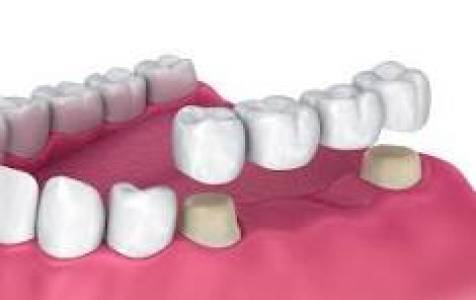
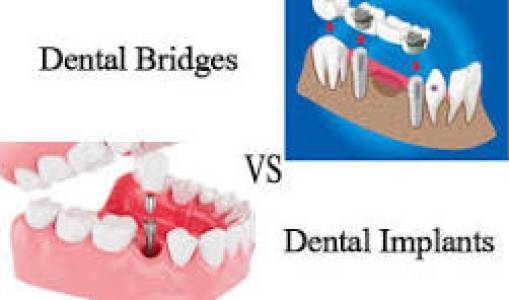
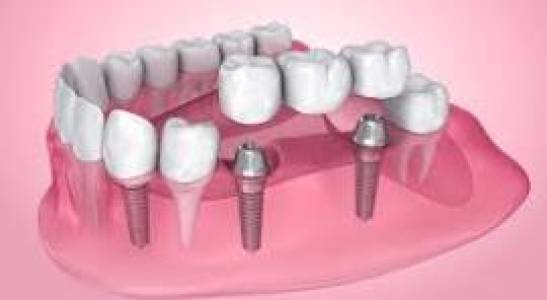
- Saves Your Natural Tooth: It allows you to keep your natural tooth, avoiding the need for extraction and subsequent prosthetic solutions like implants or bridges.
- Prevents Spread of Infection: It removes bacteria and infected tissue, preventing the infection from spreading to other teeth or into your jawbone.
- Restores Chewing Function: Once restored with a crown, the treated tooth can function normally for chewing and biting.
- Maintains Your Natural Smile: Keeping your natural tooth helps maintain the aesthetics of your smile and prevents the shifting of adjacent teeth.
- Cost-Effective in the Long Run: Often, preserving your natural tooth with a root canal and crown is more cost-effective than extraction followed by a dental implant or bridge.
The Root Canal Procedure: What to Expect
Root canal treatment is typically performed in one or two visits, depending on the complexity of the case and the extent of the infection. The procedure is performed under local anesthesia, ensuring you are comfortable and pain-free throughout.
- Diagnosis and Anesthesia:
- The dentist will take X-rays to assess the extent of the infection and the anatomy of the root canals.
- Local anesthetic is administered to numb the affected tooth and surrounding area.
- Access Opening:
- A small access hole is drilled through the crown of the tooth, reaching the pulp chamber.
- Cleaning and Shaping:
- Tiny instruments are used to carefully remove the infected or inflamed pulp, bacteria, and debris from the pulp chamber and root canals.
- The canals are then shaped to prepare them for filling.
- Antiseptic solutions are used to disinfect the canals.
- Filling and Sealing:
- Once the canals are thoroughly cleaned and dried, they are filled with a biocompatible, rubber-like material called gutta-percha.
- An adhesive cement is used to seal the canals completely, preventing re-infection.
- Temporary or Permanent Restoration:
- A temporary filling is placed in the access hole to protect the tooth until the permanent restoration can be placed.
- In most cases, a permanent dental crown is highly recommended and often necessary to protect the weakened tooth from future fractures and restore its full function.
After Your Root Canal: Recovery and Care
- Temporary Sensitivity: It's normal to experience some mild sensitivity or tenderness for a few days after the procedure, especially when chewing. Over-the-counter pain relievers can help manage any discomfort.
- Medication: Your dentist may prescribe antibiotics if there was a significant infection or anti-inflammatory medication to reduce swelling.
- Avoid Chewing: Try to avoid chewing on the treated tooth until your permanent crown is placed to prevent damaging the tooth.
- Permanent Restoration is Crucial: It is vital to return for your permanent crown or filling as advised by your dentist. This final restoration protects the treated tooth from breaking and ensures the long-term success of the root canal.
- Oral Hygiene: Maintain excellent oral hygiene with regular brushing, flossing, and routine dental check-ups.
Addressing Common Root Canal Myths
- Myth: Root canals are painful.
- Reality: Modern root canal techniques, combined with effective local anesthesia, make the procedure as comfortable as a routine filling. The treatment itself is designed to relieve the severe pain caused by infection.
- Myth: It's better to extract the tooth.
- Reality: Saving your natural tooth is almost always the best option. Extracting a tooth can lead to other problems, such as shifting of adjacent teeth, difficulty chewing, and the need for more complex and expensive prosthetic solutions.
- Myth: Root canals cause illness.
- Reality: This myth stems from outdated and flawed research from the early 20th century. Numerous scientific studies have debunked any link between root canal treatment and systemic illnesses.
Take the First Step Towards a Pain-Free Smile
If you are experiencing any symptoms of tooth infection or severe pain, don't delay. Prompt diagnosis and treatment are crucial to saving your tooth and preventing further complications.
Contact us today to schedule a consultation and learn more about how root canal treatment can help you achieve a healthy, pain-free smile.
Important Disclaimer
This product description is for informational purposes only and does not constitute medical advice. It is essential to consult with a qualified dental professional to discuss your specific condition, diagnosis, and treatment options. Individual results may vary.