Description
Restore Your Smile & Function with a Dental Bridge
Reclaim your complete, confident smile and comfortable chewing ability with a dental bridge – a time-tested, fixed solution for replacing missing teeth.
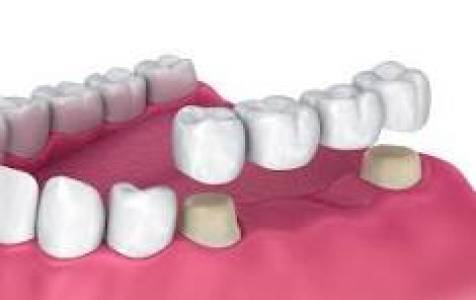
A dental bridge is a custom-made dental restoration designed to fill the gap created by one or more missing teeth. It consists of artificial teeth (called pontics) held in place by dental crowns that are cemented onto the natural teeth or dental implants on either side of the gap. Our dental bridges are meticulously crafted to blend seamlessly with your existing teeth, restoring both aesthetics and functionality.
Key Features & Benefits
- Seamless Aesthetics: Custom-matched to the color, shape, and size of your natural teeth for a virtually undetectable restoration.
- Enhanced Functionality: Fully restores your ability to chew, speak, and bite comfortably and effectively.
- Prevents Tooth Shifting: Fills the gap, preventing adjacent teeth from drifting out of alignment, which can lead to bite problems and further tooth loss.
- Maintains Facial Structure: Helps preserve the natural contours of your face and jaw, preventing the "sunken" appearance often associated with tooth loss.
- Durable & Long-Lasting: Crafted from high-quality materials designed for years of reliable service with proper care.
- Fixed Solution: Unlike removable partial dentures, a dental bridge is permanently cemented in place, offering superior stability and a natural feel.
- Boosts Confidence: Restores the beauty of your smile, allowing you to laugh, talk, and eat without self-consciousness.
How a Dental Bridge Works (The Process)
- Consultation & Planning: Your dentist will conduct a thorough examination, including X-rays, to assess your oral health and determine if a dental bridge is the right solution for you. We'll discuss your aesthetic goals and treatment options.
- Tooth Preparation: The natural teeth on either side of the gap (called abutment teeth) are carefully reshaped to allow for the placement of crowns that will support the bridge.
- Impressions: Accurate impressions of your teeth are taken. These molds are sent to a specialized dental laboratory where your custom bridge will be meticulously fabricated.
- Temporary Bridge Placement: A temporary bridge will be placed to protect your prepared teeth and maintain your smile while your permanent bridge is being made.
- Final Placement: Once your custom bridge is ready, you'll return for a fitting. Your dentist will ensure it fits perfectly and your bite is comfortable before permanently cementing the bridge into place.
Types of Dental Bridges
- Traditional Bridge: The most common type, consisting of one or more pontics held in place by crowns cemented onto the adjacent natural teeth (abutment teeth).
- Cantilever Bridge: Used when there are only healthy teeth on one side of the missing tooth gap. The pontic is supported by crowns on only one side. (Generally less stable and used in areas of low biting force).
- Maryland (Resin-Bonded) Bridge: Consists of a pontic with metal or porcelain "wings" extending from its sides. These wings are bonded to the back surface of the adjacent natural teeth, requiring minimal tooth preparation. (Often used for front teeth and when adjacent teeth are very healthy).
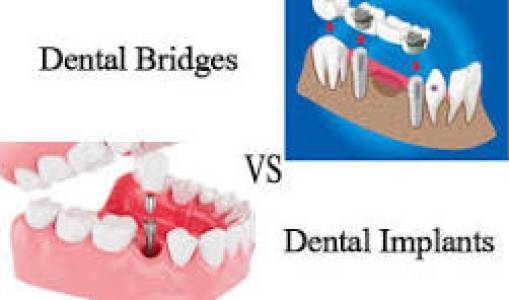
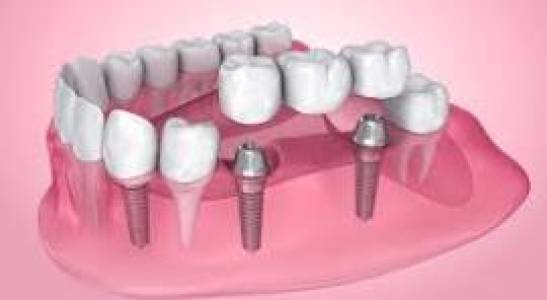
- Implant-Supported Bridge: For situations with multiple missing teeth and no suitable natural abutments, a bridge can be anchored by dental implants rather than natural teeth.
Materials & Craftsmanship
Our dental bridges are crafted from advanced, biocompatible materials chosen for their strength, durability, and aesthetic appeal:
- Porcelain-Fused-to-Metal (PFM): Combines the strength of a metal substructure with the natural appearance of porcelain, offering excellent durability for both front and back teeth.
- All-Ceramic (Zirconia, Emax): Completely metal-free options that provide superior translucency and natural beauty, ideal for highly aesthetic areas, especially front teeth. Zirconia offers exceptional strength, while Emax provides unparalleled natural aesthetics.
- Gold Alloys: Highly durable and biocompatible, gold bridges are known for their longevity and minimal wear on opposing teeth, though less common for visible areas due to color.
Who is a Candidate for a Dental Bridge?
A dental bridge may be an excellent option for individuals who:
- Have one or more missing teeth.
- Have healthy natural teeth on either side of the gap to serve as abutments (for traditional bridges).
- Desire a fixed (non-removable) tooth replacement solution.
- Maintain good overall oral hygiene.
- May not be candidates for dental implants or prefer a more immediate restoration.
Care & Maintenance
To ensure the longevity of your dental bridge and the health of your supporting teeth:
- Maintain Excellent Oral Hygiene: Brush twice daily and floss meticulously. Special tools like floss threaders or interdental brushes are essential to clean under the pontic and around the abutment teeth.
- Regular Dental Check-ups: Schedule routine examinations and professional cleanings every six months.
- Avoid Hard & Sticky Foods: Limit foods that could potentially damage your bridge or abutment teeth.
- Wear a Nightguard (if recommended): If you grind or clench your teeth, a custom nightguard can protect your bridge from excessive force.
Ready to explore if a dental bridge is the right solution to complete your smile?
Contact us today to schedule a comprehensive consultation with our experienced dental team! We look forward to helping you achieve a healthier, more beautiful smile.
Disclaimer: Dental bridges are a medical device. Individual results may vary. It's crucial to discuss all treatment options, potential risks, and benefits with your dental professional to determine the best course of action for your specific needs.