Description
Root Canal Treatment: Save Your Tooth, End Your Pain
Are You Experiencing Severe Tooth Pain?
Don't let dental pain dictate your life. If you're suffering from a persistent toothache, extreme sensitivity to hot or cold, tenderness when chewing, or swelling around a tooth, you might be experiencing an infection in the tooth's pulp. Root Canal Treatment (also known as Endodontic Therapy) is a highly effective, routine procedure designed to relieve your pain, eliminate infection, and save your natural tooth from extraction.
What is Root Canal Treatment?
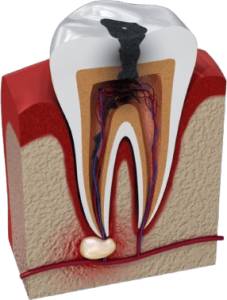
Root Canal Treatment is an advanced dental procedure focused on removing infected, inflamed, or damaged pulp (the soft tissue inside your tooth containing nerves and blood vessels). After the diseased pulp is removed, the inside of the tooth is carefully cleaned, disinfected, shaped, and then filled with a sterile, rubber-like material called gutta-percha. Finally, the tooth is sealed with a filling or crown to protect it and restore its full function.
The primary goal is to preserve your natural tooth, which is almost always the best option for your oral health and overall well-being.
Why Might You Need a Root Canal?
Root Canal Treatment becomes necessary when the tooth's pulp becomes infected or inflamed. Common causes include:
- Deep Decay: Untreated cavities can reach the pulp chamber, allowing bacteria to cause infection.
- Repeated Dental Procedures: Multiple fillings or procedures on the same tooth can eventually irritate the pulp.
- Cracked or Chipped Tooth: A fracture can expose the pulp to bacteria and irritants.
- Tooth Trauma: An injury to the tooth, even without visible cracks, can damage the pulp.
- Gum Disease: Advanced periodontal disease can sometimes affect the tooth's roots.
Symptoms indicating a potential need for a root canal include:
- Severe toothache pain upon chewing or application of pressure.
- Prolonged sensitivity to hot or cold temperatures (after the heat or cold has been removed).
- Discoloration or darkening of the tooth.
- Swelling and tenderness in the surrounding gums.
- A persistent "pimple" on the gums (a fistula or abscess).
Our Commitment to Your Comfort & Health
At [Your Dental Practice Name], we understand that the idea of a root canal can be daunting. We are dedicated to providing a comfortable, stress-free experience using the latest techniques and technology.
- Experienced Endodontists & Dentists: Our team comprises highly skilled professionals specializing in advanced root canal procedures, ensuring precise and effective treatment.
- Advanced Technology: We utilize state-of-the-art equipment, including:
- Digital X-rays & 3D Imaging (CBCT Scans): For accurate diagnosis and treatment planning.
- Dental Operating Microscopes: To visualize intricate details within the tooth, enhancing precision.
- Rotary Endodontics: Using flexible, nickel-titanium instruments for efficient and thorough cleaning and shaping of the root canals.
- Apex Locators: For precise measurement of canal length, minimizing X-ray exposure.
- Gentle Anesthesia & Sedation Options: Local anesthesia ensures you feel no pain during the procedure. For those with dental anxiety, we offer various sedation options (e.g., nitrous oxide, oral sedation) to help you relax.
- Patient-Centered Care: We prioritize your comfort and keep you informed every step of the way, answering all your questions and addressing any concerns.
- High Success Rates: With proper care, a root canal-treated tooth can last a lifetime, helping you maintain your natural smile and bite.
The Root Canal Treatment Process
While the specific steps may vary slightly, a typical root canal procedure generally involves:
- Diagnosis & Anesthesia: We begin with a thorough examination, including digital X-rays or 3D scans, to confirm the diagnosis. Local anesthesia is administered to numb the affected tooth and surrounding area, ensuring a pain-free experience.
- Isolation: A small rubber dam is placed around the tooth to isolate it from the rest of the mouth, keeping the area sterile and dry.
- Access Opening: A small opening is made in the crown of the tooth to access the pulp chamber and root canals.
- Cleaning & Shaping: The infected or inflamed pulp is carefully removed from the pulp chamber and root canals using specialized instruments (often rotary files). The canals are then meticulously cleaned, disinfected, and shaped to prepare them for filling.
- Filling the Canals: Once the canals are thoroughly cleaned and disinfected, they are filled with a biocompatible material, typically gutta-percha, which is sealed with an adhesive cement to prevent re-infection.
- Restoration: A temporary filling is placed to seal the access opening. In most cases, a permanent restoration – often a dental crown – will be recommended and placed during a subsequent appointment. This protects the treated tooth from future fractures and restores its full function and appearance.
After Your Root Canal Treatment
It's normal to experience some mild sensitivity or discomfort for a few days after your root canal, especially when chewing, as your body heals. This can typically be managed with over-the-counter pain relievers. We will provide detailed post-operative instructions and are always available to answer any questions.
Key Aftercare Points:
- Avoid chewing on the treated tooth until your permanent restoration (crown) is placed.
- Maintain excellent oral hygiene (brushing, flossing).
- Attend all follow-up appointments.
Common Misconceptions Debunked
- "Root canals are excruciatingly painful." This is perhaps the biggest myth! Thanks to modern anesthetics and advanced techniques, the procedure itself is often no more uncomfortable than a standard filling. The pain you experience before the root canal is often far worse than the treatment itself.
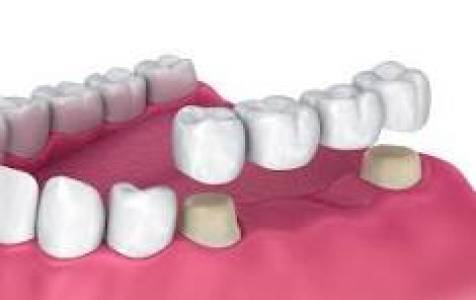
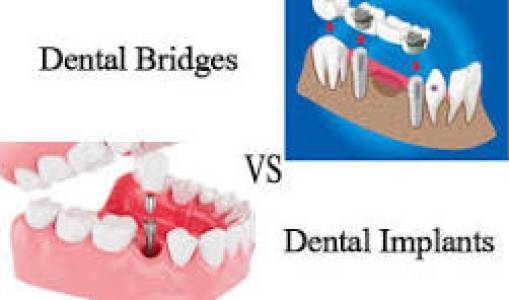
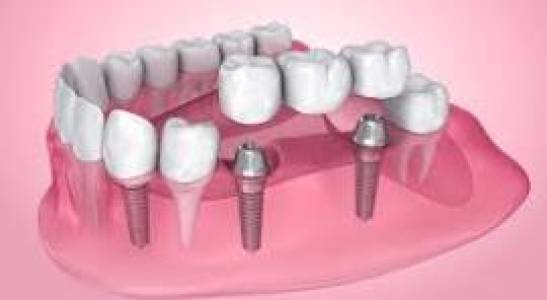
- "It's better to just pull the tooth." Saving your natural tooth is almost always the best option. Extracting a tooth can lead to shifting of adjacent teeth, problems with chewing, and may require more expensive and complex treatments like dental implants or bridges down the line.
- "Root canals cause illness." This is an outdated and scientifically debunked myth. Extensive research has shown no link between root canals and other systemic diseases.
Don't Delay Treatment – Act Now!
Ignoring symptoms of an infected tooth can lead to serious consequences, including:
- Spread of infection to other teeth, gums, or even other parts of your body.
- Severe bone loss around the tooth.
- Ultimately, the loss of the tooth, requiring more extensive and costly replacement options.
Ready to End Your Pain and Save Your Smile?
If you suspect you need a root canal, or if you're experiencing dental pain, don't wait. Early diagnosis and treatment can prevent further complications and preserve your natural tooth.
Contact us today to schedule your consultation!
- Call Us: [Your Phone Number]
- Visit Our Website: [Your Website Address]
- Our Location: [Your Clinic Address]
Let us help you achieve lasting relief and a healthy, pain-free smile!
Disclaimer: This product description is for informational purposes only and does not constitute medical advice. Individual results may vary. A comprehensive dental examination and consultation with a qualified dental professional are necessary to determine the best course of treatment for your specific needs.