Description
Here's a detailed product description for Dental Implants, formatted in Markdown:
Restore Your Smile and Confidence with Dental Implants
Missing teeth can significantly impact your quality of life, affecting your ability to eat, speak, and smile with confidence. At [Your Practice Name], we offer state-of-the-art Dental Implants – the most advanced, natural-looking, and permanent solution for tooth loss. Rediscover the joy of a complete, healthy smile that feels and functions just like your own.
What Are Dental Implants?
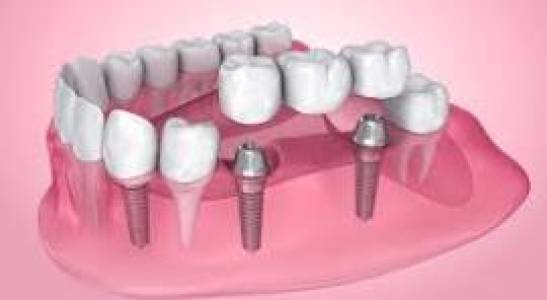
A dental implant is a small, screw-shaped post, typically made from biocompatible titanium, which is surgically placed into your jawbone. This post acts as a replacement for the tooth root. Over time, the implant fuses with your natural bone in a process called osseointegration, creating a strong, stable foundation.
Once integrated, an abutment (a small connector) is attached to the implant, onto which a custom-made dental restoration – such as a crown, bridge, or denture – is securely fitted. The result is a replacement tooth (or teeth) that looks, feels, and functions indistinguishably from natural teeth.
Components of a Dental Implant System:
- Implant Post: The titanium "root" surgically placed in the jawbone.
- Abutment: A connector piece that attaches to the implant post.
- Restoration: The visible part of the tooth – a crown, bridge, or denture – custom-designed to match your natural teeth.
Who Is a Candidate for Dental Implants?
Most adults in good general health who have lost one or more teeth are potential candidates for dental implants. Ideal candidates typically have:
- Sufficient jawbone density to support the implant.
- Healthy gum tissue, free from periodontal disease.
- A commitment to good oral hygiene.
A comprehensive examination and consultation with our experienced implant specialists at [Your Practice Name] are essential to determine if dental implants are the right solution for you. We utilize advanced 3D imaging to assess your bone structure and create a precise treatment plan.
The Transformative Benefits of Dental Implants
Choosing dental implants means investing in your long-term oral health and overall well-being. Here's why they are the gold standard for tooth replacement:
- Natural Look & Feel: Custom-designed to match your existing teeth, implants blend seamlessly into your smile. You'll forget you ever lost a tooth!
- Restored Chewing Ability: Enjoy all your favorite foods without restriction. Implants restore nearly 100% of your natural biting force.
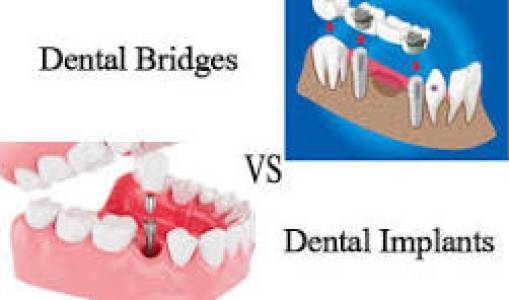
- Preserve Jawbone Health: Unlike bridges or dentures, implants stimulate the jawbone, preventing the bone loss that typically occurs after tooth extraction. This helps maintain your facial structure and prevents a "sunk-in" appearance.
- Enhanced Speech: No more worries about dentures slipping or clicking. Implants provide a stable foundation, allowing you to speak clearly and confidently.
- Superior Durability & Longevity: With proper care, dental implants can last a lifetime, making them a cost-effective solution in the long run compared to other options that may require frequent replacement.
- Convenience & Comfort: No messy adhesives, no removable prosthetics. Implants are a permanent part of your mouth, requiring only regular brushing, flossing, and dental check-ups.
- Boosted Confidence: Smile, laugh, and interact socially without self-consciousness. Implants give you the freedom to live life to the fullest.
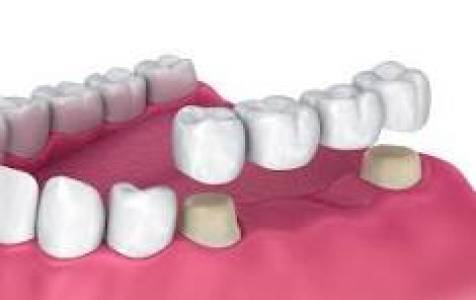
- Protection for Remaining Teeth: Unlike traditional bridges, implants do not require grinding down adjacent healthy teeth, preserving their natural structure.
The Dental Implant Procedure: What to Expect
The implant process typically involves several stages to ensure optimal healing and integration:
- Initial Consultation & Treatment Planning: Our team will conduct a thorough examination, including digital X-rays and 3D CT scans, to assess your oral health, bone density, and determine the ideal placement for your implants. We'll discuss your goals and customize a treatment plan.
- Implant Placement: In a minor surgical procedure performed with local anesthesia (and sedation options if desired), the titanium implant post is precisely placed into your jawbone.
- Healing (Osseointegration): A crucial period of 3-6 months follows, during which the implant naturally fuses with your jawbone. During this time, a temporary restoration may be provided.
- Abutment Placement: Once osseointegration is complete, a small abutment (connector) is attached to the implant post.
- Restoration Placement: After your gums have healed around the abutment, a custom-crafted crown, bridge, or denture is securely attached, completing your new, beautiful smile.
Why Choose [Your Practice Name] for Your Dental Implants?
At [Your Practice Name], we are dedicated to providing exceptional dental implant care with a focus on patient comfort and outstanding results.
- Experienced Implant Specialists: Our dentists have extensive training and experience in advanced implant dentistry techniques.
- State-of-the-Art Technology: We utilize the latest diagnostic tools, including 3D imaging and guided surgery, for precise and predictable implant placement.
- Personalized Care: We understand that every patient is unique. Your treatment plan will be tailored specifically to your needs and goals.
- Comfort-Focused Environment: We prioritize your comfort with a friendly team, relaxing amenities, and sedation options to ease any anxiety.
- Commitment to Excellence: From the initial consultation to your final restoration, we are committed to achieving the highest standards of quality and patient satisfaction.
Maintenance & Longevity
Caring for your dental implants is very similar to caring for your natural teeth. With proper oral hygiene and regular dental check-ups at [Your Practice Name], your implants can last for decades, often for a lifetime.
- Brush twice daily with a soft-bristled toothbrush.
- Floss daily, paying special attention around the implant site.
- Use an antibacterial mouthwash as recommended.
- Schedule regular dental cleanings and examinations (typically every 6 months).
Frequently Asked Questions About Dental Implants
1. Are dental implants painful?
The implant placement procedure is performed under local anesthesia, so you won't feel any pain during the surgery. We also offer various sedation options to ensure your comfort. Post-operative discomfort is generally mild and can be managed with over-the-counter pain relievers.
2. How long do dental implants last?
With proper care and good oral hygiene, dental implants have a very high success rate (over 95%) and can last for many decades, often for a lifetime. The crown, bridge, or denture attached to the implant may need to be replaced after 10-15 years due to normal wear and tear, but the implant post itself is designed to be permanent.
3. How long does the entire implant process take?
The total treatment time can vary from a few months to over a year, depending on individual healing rates, the number of implants, and whether preparatory procedures (like bone grafting) are needed. We will provide a clear timeline during your consultation.
4. Are dental implants covered by insurance?
Insurance coverage for dental implants varies. Some plans may cover a portion of the surgical procedure or the restorative crown, while others may not. Our team will help you understand your insurance benefits and discuss financing options available at our practice.
5. What if I don't have enough bone for an implant?
Even if you have experienced bone loss, you may still be a candidate for implants. We offer advanced bone grafting procedures to regenerate sufficient bone structure, allowing many patients to receive implants who previously couldn't.
Ready to Rediscover Your Smile?
Don't let missing teeth hold you back any longer. Dental implants can transform your oral health, appearance, and confidence.
Contact [Your Practice Name] today to schedule your comprehensive dental implant consultation!
[Phone Number] | [Website URL] | [Office Address]
Disclaimer: The information provided on this page is for general educational purposes only and does not constitute medical advice. Individual results may vary. A thorough examination and consultation with a qualified dental professional are necessary to determine the most appropriate treatment plan for your specific needs.