Description
Here's a detailed product description for Root Canal Treatment in Markdown format, suitable for a dental practice website.
Root Canal Treatment (Endodontic Therapy)
Are you experiencing persistent tooth pain, sensitivity, or swelling? Don't let dental discomfort dictate your life. Root Canal Treatment, also known as Endodontic Therapy, is a highly effective and common procedure designed to save a severely infected or damaged tooth from extraction, preserve your natural smile, and alleviate excruciating pain.
At [Your Clinic Name], we combine advanced technology with a gentle, patient-focused approach to make your root canal experience as comfortable and stress-free as possible. Our goal is to restore your oral health, eliminate pain, and ensure the long-term vitality of your natural teeth.
What is Root Canal Treatment?
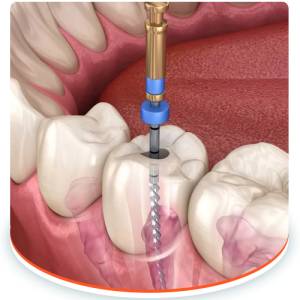
Root Canal Treatment is a dental procedure that removes infected, inflamed, or dead pulp (the soft tissue inside your tooth containing nerves and blood vessels) from the tooth's interior. After the diseased pulp is removed, the inside of the tooth is carefully cleaned, disinfected, shaped, and then filled and sealed. Finally, the tooth is restored with a crown or filling to protect it and return it to full function.
Why Might You Need a Root Canal?
Root canal therapy becomes necessary when the pulp inside your tooth becomes inflamed or infected. This can occur due to:
- Deep Decay: Extensive cavities that penetrate into the pulp chamber.
- Repeated Dental Procedures: Multiple treatments on the same tooth.
- Cracked or Chipped Tooth: Allowing bacteria to enter the pulp.
- Trauma to the Tooth: An injury that damages the pulp, even without visible chips or cracks.
- Advanced Gum Disease: In rare cases, severe periodontal infection can spread to the pulp.
Common symptoms indicating a need for a root canal include:
- Severe Toothache: Especially when chewing or applying pressure.
- Prolonged Sensitivity: To hot or cold temperatures, even after the source is removed.
- Swelling: Around the gum of the affected tooth, sometimes extending to the face or neck.
- A "Pimple" on the Gums: A recurring or persistent fistula (pimple-like bump) on the gums, indicating pus drainage.
- Tooth Discoloration: Darkening of the tooth.
- Tenderness or Swelling: In nearby lymph nodes.
The Benefits of Choosing a Root Canal
Opting for root canal treatment offers numerous significant advantages over tooth extraction:
- Effective Pain Relief: Immediately alleviates the severe pain caused by infection and inflammation.
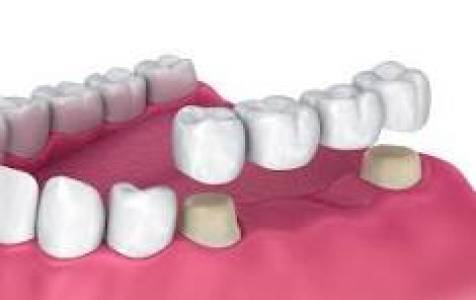
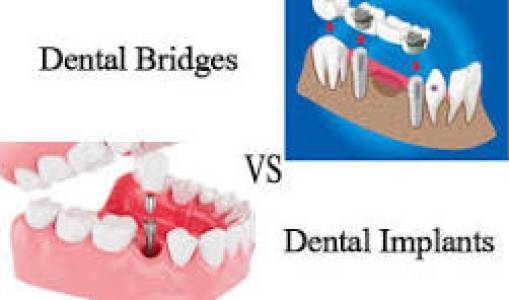
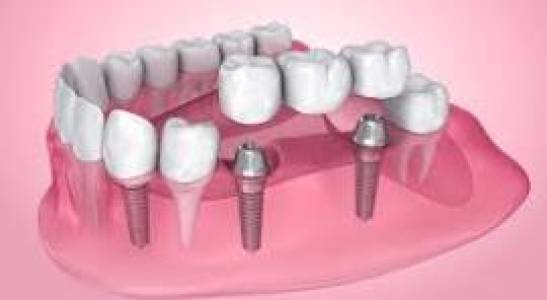
- Save Your Natural Tooth: Preserves your original tooth, avoiding the need for bridges, implants, or dentures.
- Prevent Infection Spread: Eliminates bacteria, preventing the infection from spreading to other teeth, gums, or even into the bloodstream.
- Maintain Oral Health: Keeps your natural bite and chewing efficiency intact, prevents shifting of adjacent teeth, and preserves jawbone structure.
- Cost-Effective Long-Term: While initial costs are involved, saving your natural tooth often proves more economical over time compared to replacing an extracted tooth.
- Restore Esthetics: With a final crown, your tooth will look and function just like a natural tooth.
Our Advanced Root Canal Process
At [Your Clinic Name], we prioritize your comfort and the success of your treatment. Our typical root canal procedure involves the following steps:
- Thorough Diagnosis: We use digital X-rays and a comprehensive clinical examination to accurately diagnose the extent of the infection and confirm the need for a root canal.
- Local Anesthesia: The area around the affected tooth is numbed completely, ensuring a pain-free experience during the procedure.
- Access Opening: A small opening is made on the top of the tooth (or the back for front teeth) to access the pulp chamber and root canals.
- Cleaning & Shaping: Using specialized, flexible instruments (often advanced rotary files), the infected or inflamed pulp is carefully removed. The root canals are then meticulously cleaned, disinfected, and shaped to prepare them for filling.
- Disinfection & Filling: The cleaned root canals are thoroughly disinfected with irrigating solutions and then filled with a biocompatible material, typically a rubber-like compound called gutta-percha, to seal them and prevent re-infection.
- Temporary Filling: A temporary filling is placed to seal the access opening until your permanent restoration is ready.
- Final Restoration: In most cases, a dental crown is recommended after a root canal. This custom-made cap protects the treated tooth from future fractures and restores its full strength and aesthetic appearance. This final step is crucial for the long-term success of the treatment.
Why Choose [Your Clinic Name] for Your Root Canal?
- Experienced & Compassionate Team: Our dentists are highly trained and experienced in modern endodontic techniques, ensuring precise and effective treatment. We understand dental anxiety and are dedicated to providing a calm, supportive environment.
- State-of-the-Art Technology: We utilize advanced tools such as digital X-rays (for reduced radiation and immediate images), dental operating microscopes (for enhanced visibility and precision), and advanced rotary instrumentation (for efficient and thorough cleaning).
- Patient-Centric Comfort: From comfortable chairs to sedation options (if needed), we take every measure to ensure your procedure is as comfortable as possible. We prioritize clear communication and answer all your questions.
- Gentle & Efficient Procedures: Our techniques are designed to be as minimally invasive as possible, often allowing for treatment in one or two visits.
- Comprehensive Care: We not only perform the root canal but also guide you through the final restoration process to ensure the complete protection and longevity of your tooth.
What to Expect After Treatment
It's normal to experience some mild soreness or sensitivity for a few days after your root canal, especially when chewing. This can typically be managed with over-the-counter pain medication. We will provide you with detailed aftercare instructions. It's crucial to avoid chewing on the treated tooth until your permanent crown or filling is placed to prevent fracturing.
Frequently Asked Questions (FAQs)
Is a root canal painful?
With modern anesthetics and techniques, root canal treatment is often no more uncomfortable than getting a regular filling. The procedure itself aims to relieve pain, not cause it.
How long does a root canal take?
A root canal procedure typically takes one to two appointments, each lasting about 60-90 minutes, depending on the complexity of the tooth and the extent of the infection.
How successful is root canal treatment?
Root canal treatment has a very high success rate, often over 95%. With proper care and a final restoration (like a crown), a treated tooth can last a lifetime.
What if I don't get a root canal?
Ignoring an infected tooth will not make the problem go away. The infection will likely worsen, leading to increased pain, swelling, and potentially spreading to other parts of your face, jaw, or even your bloodstream. Ultimately, the tooth may need to be extracted, which can lead to further complications like bone loss and shifting teeth.
Do I always need a crown after a root canal?
While not always immediately necessary for front teeth, a crown is highly recommended for most teeth, especially molars and premolars. A root canal removes a significant portion of the tooth's internal structure, making it more brittle and susceptible to fracture. A crown provides essential protection, strength, and seals the tooth.
Ready for Relief and to Save Your Tooth?
Don't delay seeking treatment if you suspect you need a root canal. Early intervention can prevent further complications and ensure the best possible outcome.
Contact [Your Clinic Name] today at [Your Phone Number] or [Your Email Address] to schedule a consultation. Our friendly team is here to answer your questions and help you regain a healthy, pain-free smile.