Description
Here's a detailed product description for a root canal treatment, formatted in Markdown:
Root Canal Treatment: Restore Your Smile, Eliminate Pain
Is Persistent Tooth Pain Dictating Your Life?
Don't let a throbbing toothache, sensitivity, or swelling disrupt your comfort and confidence. At [Your Practice Name], we understand that dental pain can be debilitating. Our Root Canal Treatment (RCT), also known as endodontic therapy, is a highly effective and common procedure designed to save a tooth that is severely decayed, infected, or damaged, preserving your natural smile and eliminating discomfort.
What is a Root Canal?
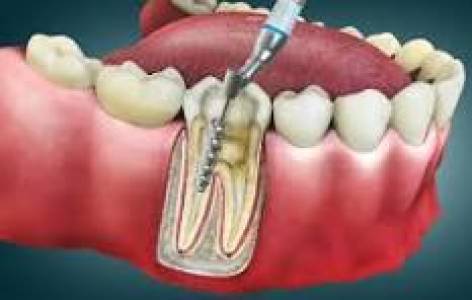
A root canal is a specialized dental procedure that removes infected or inflamed pulp (the soft tissue inside your tooth containing nerves and blood vessels) from the tooth's root canals. Once the infected pulp is removed, the inside of the tooth is carefully cleaned, disinfected, shaped, and then filled with a rubber-like material called gutta-percha. Finally, the tooth is sealed, usually with a crown, to protect it from future infection and restore its full function.
Key Benefits of Root Canal Treatment:
- Pain Relief: The primary benefit is the immediate and long-term relief from the severe pain caused by infection and inflammation within the tooth.
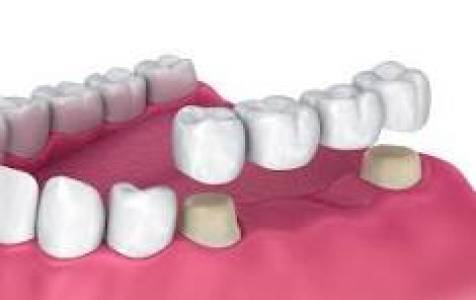
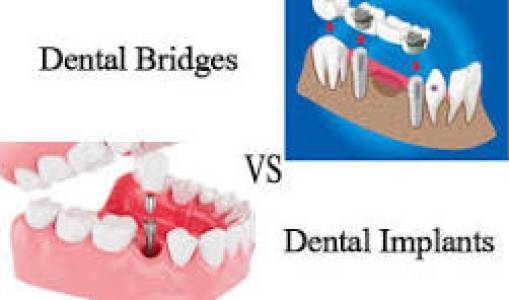
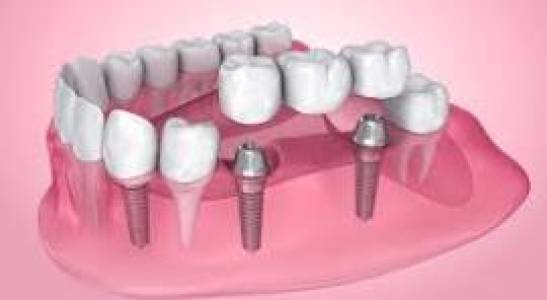
- Tooth Preservation: It saves your natural tooth, preventing the need for extraction and avoiding the complexities and costs associated with dental implants or bridges.
- Prevent Infection Spread: By removing the infection, a root canal stops its spread to other teeth, gums, and even into your bloodstream, protecting your overall health.
- Maintain Oral Health: Preserving your natural tooth helps maintain the proper alignment of your bite, prevents adjacent teeth from shifting, and supports the integrity of your jawbone.
- Long-Term Solution: With proper care, a tooth treated with a root canal can last a lifetime, functioning just like any other natural tooth.
Symptoms Indicating a Potential Root Canal:
While only a dentist can definitively diagnose the need for a root canal, be aware of these common symptoms:
- Severe toothache: Persistent pain when chewing or applying pressure.
- Prolonged sensitivity: Sensitivity to hot or cold temperatures, even after the source has been removed.
- Swelling and tenderness: Swelling or tenderness in the surrounding gums or face.
- Pimple-like lesion: A persistent or recurring "pimple" on the gums.
- Darkening of the tooth: Discoloration of the tooth.
- Deep decay: An X-ray might reveal decay that has reached the pulp chamber.
Your Root Canal Journey: A Step-by-Step Overview
We strive to make your root canal experience as comfortable and stress-free as possible. Here’s what you can expect:
- Diagnosis & Anesthesia: We begin with a thorough examination, including X-rays, to accurately diagnose the problem. Before starting, local anesthesia is administered to completely numb the area, ensuring you feel no pain during the procedure.
- Access Opening: A small opening is made on the top or back of the tooth to access the pulp chamber and root canals.
- Cleaning & Shaping: Using specialized tiny instruments, the infected or inflamed pulp is carefully removed from the canals. The canals are then meticulously cleaned, disinfected, and shaped to prepare them for filling.
- Filling the Canal: After the canals are thoroughly cleaned and dried, they are filled with a biocompatible, rubber-like material called gutta-percha, which helps to prevent re-infection.
- Sealing & Restoration: A temporary filling is placed to seal the access opening. In most cases, a dental crown is recommended after a root canal to protect the treated tooth from fracture and restore its full chewing function and aesthetic appearance. Your dentist will discuss the best permanent restoration for your tooth.
After Your Root Canal: Care & Recovery
- Mild Discomfort: It's normal to experience some mild discomfort or sensitivity for a few days after the procedure, especially as the anesthetic wears off. Over-the-counter pain relievers or prescribed medication can help manage this.
- Avoid Chewing: Try to avoid chewing on the treated tooth until your permanent restoration (crown) is in place, especially if only a temporary filling has been placed.
- Maintain Good Oral Hygiene: Continue brushing and flossing regularly.
- Take Prescribed Medications: If antibiotics or other medications are prescribed, take them exactly as directed.
- Attend Follow-up Appointments: Ensure you return for your permanent restoration appointment to protect the treated tooth long-term.
Why Entrust Your Smile to [Your Practice Name]?
- Experienced & Compassionate Team: Our dentists have extensive experience in endodontic procedures, committed to delivering precise, gentle, and effective care.
- Advanced Technology: We utilize state-of-the-art equipment, including digital X-rays and specialized instruments, to ensure accurate diagnosis and efficient treatment.
- Patient Comfort: Your comfort is our priority. We offer amenities and techniques to help you relax throughout your visit.
- Personalized Care: We take the time to explain your treatment options, answer all your questions, and tailor a treatment plan that best suits your individual needs.
Ready to Find Relief?
If you're experiencing symptoms that suggest you might need a root canal, don't delay seeking professional help. Early intervention can prevent further complications and ensure the best possible outcome for your tooth.
Contact us today at [Phone Number] or [Website Link] to schedule your consultation.
Let us help you restore your oral health and bring back your comfortable, confident smile.
Disclaimer: The information provided on this page is for general educational purposes only and should not be considered as medical advice. Always consult with a qualified dental professional for diagnosis and treatment recommendations for your specific condition.