Description
Advanced Medical Implants: Restoring Function, Enhancing Life
Product Overview: Medical implants are sophisticated, meticulously engineered devices surgically placed within the body to replace missing biological structures, support damaged tissues, enhance existing functions, or deliver therapeutic agents. Designed for long-term integration and performance, these life-changing solutions aim to significantly improve patients' quality of life, restore independence, and provide lasting relief from a wide range of medical conditions.
Key Features & Engineering Excellence
Our implants embody cutting-edge medical technology and rigorous design principles, ensuring optimal performance and patient safety.
- Biocompatible Materials: Utilizing advanced, medical-grade materials such as titanium, surgical stainless steel, PEEK (polyether ether ketone), ceramics, and specialized polymers (e.g., silicone), chosen for their ability to integrate seamlessly with the body without adverse reactions.
- Precision Engineering: Each implant is designed with anatomical accuracy and functional precision, often leveraging CAD/CAM technologies and patient-specific data for optimal fit and efficacy.
- Durability & Longevity: Engineered to withstand the rigors of the human body, providing durable and long-lasting solutions, often for decades of sustained performance.
- Sterile & Safe: Manufactured in state-of-the-art, sterile environments under strict quality control protocols, adhering to international regulatory standards (e.g., FDA, CE mark).
- Advanced Surface Technologies: Many implants feature specialized surface treatments (e.g., porous coatings, bioactive surfaces) to promote cellular growth, accelerate osseointegration (bone fusion), or reduce the risk of infection.
- Minimally Invasive Options: Continuous innovation leads to implant designs that facilitate less invasive surgical procedures, potentially reducing recovery times and patient discomfort.
- Customization Capabilities: For complex cases, patient-specific implants can be fabricated to address unique anatomical challenges and optimize outcomes.
Transformative Benefits for Patients
Implants offer a multitude of benefits that profoundly impact patients' health and well-being:
- Restoration of Function: Regain lost mobility, improve sensory perception (sight, hearing), or restore natural physiological processes.
- Improved Quality of Life: Alleviate chronic pain, enhance independence, and enable participation in daily activities previously limited by medical conditions.
- Enhanced Aesthetics & Confidence: For reconstructive or cosmetic applications, implants can restore natural appearance, boosting self-esteem and psychological well-being.
- Long-Term Solutions: Provide durable, permanent, or semi-permanent solutions that reduce the need for repeated interventions or ongoing management.
- Prevention of Further Damage: Stabilize compromised structures, preventing disease progression or further injury.
- Targeted Therapy Delivery: Enable precise, localized delivery of medication or electrical stimulation for conditions like chronic pain or neurological disorders.
Common Applications & Types of Implants
The field of implantable medical devices is vast and continually expanding, addressing needs across virtually every body system:
- Orthopedic Implants:
- Joint Replacements: Hip, knee, shoulder, and ankle prostheses for severe arthritis or injury.
- Spinal Implants: Fusion devices, rods, screws, and artificial discs for spinal stabilization and correction.
- Trauma Implants: Plates, screws, rods, and pins for bone fracture fixation.
- Dental Implants:
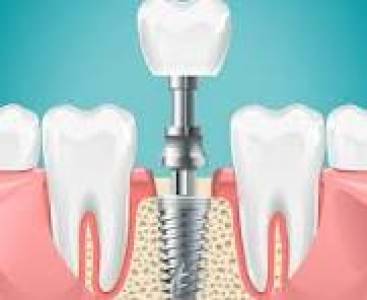
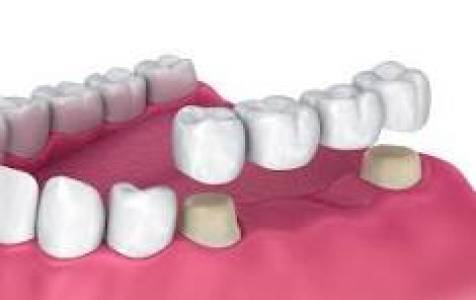
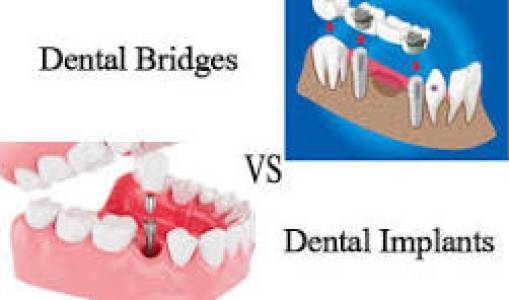
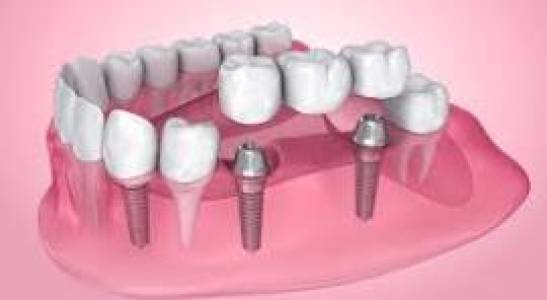
- Tooth Replacements: Titanium posts surgically placed into the jawbone to support crowns, bridges, or dentures.
- Cardiovascular Implants:
- Pacemakers & Defibrillators: Regulate heart rhythm and treat life-threatening arrhythmias.
- Stents: Expand narrowed or blocked arteries (coronary, peripheral) to restore blood flow.
- Artificial Heart Valves: Replace diseased or damaged heart valves.
- Neurological Implants:
- Deep Brain Stimulators (DBS): Treat movement disorders (e.g., Parkinson's disease, essential tremor).
- Vagus Nerve Stimulators (VNS): Manage epilepsy and depression.
- Spinal Cord Stimulators (SCS): Alleviate chronic pain.
- Ocular Implants:
- Intraocular Lenses (IOLs): Replace the natural lens during cataract surgery.
- Retinal Implants/Prostheses: Restore some visual perception for certain forms of blindness.
- Auditory Implants:
- Cochlear Implants: Provide a sense of sound for individuals with severe to profound hearing loss.
- Bone-Anchored Hearing Aids (BAHA): Transmit sound directly to the inner ear.
- Cosmetic & Reconstructive Implants:
- Breast Implants: For augmentation or reconstruction after mastectomy.
- Facial Implants: Chin, cheek, jaw implants for aesthetic enhancement or reconstruction.
- Tissue Expanders: Prepare skin for reconstructive surgery.
- Drug Delivery Implants:
- Hormonal Implants: Provide long-term contraception or hormone replacement therapy.
- Pain Management Pumps: Deliver pain medication directly to specific sites.
The Surgical Process & Patient Journey
Implant procedures typically involve a multi-stage process:
- Comprehensive Evaluation: A thorough medical assessment, imaging (X-rays, CT scans, MRI), and consultation with specialists to determine candidacy and plan the procedure.
- Surgical Placement: The implant is carefully positioned in the body during a surgical procedure, which can range from minimally invasive to complex open surgery, depending on the implant type and location.
- Healing & Integration: A crucial period where the body heals around the implant, allowing it to integrate with surrounding tissues. This may involve a recovery period and rehabilitation.
- Activation/Restoration (if applicable): For electronic implants, activation and programming occur after healing. For structural implants, full function is gradually restored.
- Long-Term Follow-up: Regular check-ups and maintenance are essential to monitor the implant's performance and ensure optimal long-term outcomes.
Safety, Quality, and Regulatory Compliance
All medical implants are subject to stringent regulatory oversight and quality assurance processes. We are committed to:
- Adherence to global standards such as ISO 13485 for Medical Devices.
- Compliance with national regulatory bodies like the U.S. FDA, European CE Mark, and others.
- Continuous research and development to improve materials, designs, and surgical techniques.
- Comprehensive post-market surveillance to monitor performance and patient safety.
Important Considerations & Disclaimer
While medical implants offer life-changing benefits, they are not suitable for everyone. Potential risks and complications, though rare, can include infection, allergic reactions, rejection, mechanical failure, or the need for revision surgery.
Always consult with a qualified healthcare professional or specialist to determine if an implant is the right solution for your specific medical condition. They can provide a personalized assessment, discuss the benefits and risks, and guide you through the treatment options available. Individual results may vary.
Embark on a journey towards a healthier, more fulfilling life with advanced medical implants. Discuss your options with your doctor today.