Dental Crowns

      Description


      Restore Your Smile with Durable, Natural-Looking Dental Crowns

      Are you experiencing a damaged, weakened, or unsightly tooth? A dental crown, also known as a "tooth cap," offers a durable and aesthetically pleasing solution to restore your tooth's function, strength, and appearance. At [Your Dental Practice Name], we specialize in crafting custom dental crowns that seamlessly blend with your natural smile, allowing you to chew, speak, and smile with confidence once again.

      What are Dental Crowns?

      A dental crown is a custom-made, tooth-shaped "cap" that is placed over an entire tooth, covering it down to the gum line. It's designed to restore the tooth's original size, shape, strength, and improve its appearance. Once cemented into place, a crown fully encases the visible portion of the tooth that lies at and above the gum line.

      Why Might You Need a Dental Crown? (Indications)

      Dental crowns are versatile and recommended for a variety of dental issues, including:

      • Protecting a weak tooth from breaking, or holding together parts of a cracked tooth.
      • Restoring an already broken tooth or a tooth severely worn down.
      • Covering and supporting a tooth with a large filling when there isn't much tooth left.
      • Covering severely discolored or misshapen teeth for cosmetic improvement.
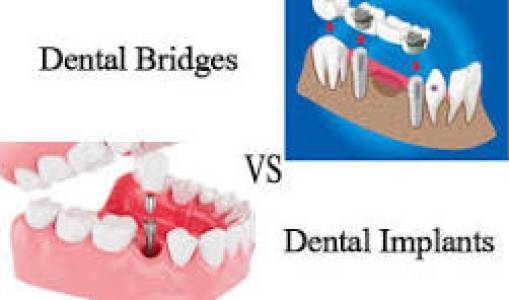
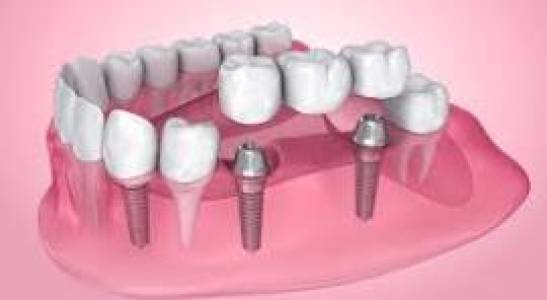
      • Covering a dental implant.
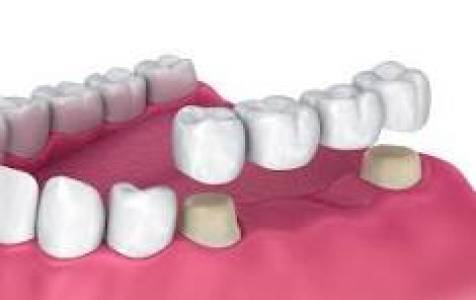
      • Holding a dental bridge in place.
      • Protecting a tooth after a root canal procedure, as these teeth can become brittle.

      Types of Dental Crowns We Offer

      The material chosen for your crown is a key decision, influencing its strength, aesthetics, and cost. We will discuss the best option for your specific needs, considering the tooth's location, your bite, and your aesthetic goals.

      1. Porcelain or Ceramic Crowns

      *   **Best For:** Front teeth where aesthetics are paramount. *   **Pros:** Highly natural-looking, metal-free, excellent translucency that mimics natural tooth enamel. Ideal for patients with metal allergies. *   **Cons:** Can be more brittle than metal alloys, sometimes prone to chipping, though modern ceramics are very strong.

      2. Porcelain Fused to Metal (PFM) Crowns

      *   **Best For:** Both front and back teeth, offering a balance of strength and aesthetics. *   **Pros:** Stronger than all-ceramic crowns due to the metal substructure, yet still offers good aesthetics with the porcelain overlay. *   **Cons:** The metal layer can sometimes show through as a dark line at the gum line, especially if gums recede. Porcelain layer can chip.

      3. Zirconia Crowns

      *   **Best For:** Back teeth where extreme strength is needed, but also increasingly used for front teeth due to improving aesthetics. *   **Pros:** Extremely strong and durable, highly biocompatible, good aesthetics, resistant to chipping and fractures. Can be milled from a single block, making same-day crowns possible. *   **Cons:** Can be more opaque than E-max or traditional porcelain, making it slightly less natural-looking for highly aesthetic cases (though newer translucent zirconia addresses this).

      4. E-max Crowns (Lithium Disilicate)

      *   **Best For:** Front teeth and premolars where a combination of strength and superior aesthetics is desired. *   **Pros:** Excellent strength-to-weight ratio, outstanding natural translucency and beauty, highly durable. *   **Cons:** Not as strong as zirconia or metal alloys for heavy chewing forces on molars.

      5. Gold Alloy Crowns (or other Metal Alloys)

      *   **Best For:** Back molars where strength, durability, and minimal tooth wear are the top priorities. *   **Pros:** Exceptionally strong, very durable, biocompatible, causes minimal wear to opposing teeth, less tooth structure needs to be removed during preparation. *   **Cons:** High aesthetic compromise (metallic color).

      The Dental Crown Procedure: What to Expect

      The process of getting a dental crown typically involves two appointments, though modern CAD/CAM technology allows for same-day crowns in some cases.

      Appointment 1: Preparation & Impression

      1. Consultation & Examination: Your dentist will thoroughly examine the tooth, take X-rays, and discuss your treatment options.
      2. Anesthesia: The tooth and surrounding gum tissue will be numbed with local anesthetic.
      3. Tooth Preparation: The tooth will be carefully reshaped to allow the crown to fit over it perfectly. This involves removing a small amount of enamel from the top and sides.
      4. Impressions: A highly accurate impression (mold) of your prepared tooth, as well as the opposing teeth, will be taken. This impression is sent to a dental laboratory where your custom crown will be fabricated.
      5. Temporary Crown: A temporary crown, usually made of acrylic, will be placed over your prepared tooth to protect it while your permanent crown is being made.

      Appointment 2: Placement of Permanent Crown

      1. Temporary Removal: The temporary crown will be carefully removed.
      2. Cleaning & Fit Check: Your dentist will clean the prepared tooth and carefully check the fit, bite, and color of your new permanent crown. Any necessary minor adjustments will be made.
      3. Cementation: Once you and your dentist are satisfied, the permanent crown will be securely bonded to your tooth using a strong dental cement.
      4. Final Polish: The crown will be polished, and your bite will be checked one last time.
      • Same-Day Crowns (CEREC/CAD/CAM): In some cases, using advanced computer-aided design and manufacturing (CAD/CAM) technology, we can design, mill, and place your custom ceramic crown in a single visit, eliminating the need for a temporary crown and a second appointment. Ask us if this option is suitable for you!

      Care & Maintenance for Your Dental Crown

      With proper care, a dental crown can last anywhere from 5 to 15 years, or even longer.

      • Maintain Excellent Oral Hygiene: Brush twice a day and floss daily, paying special attention to the area around the crown and gum line to prevent decay and gum disease.
      • Regular Dental Check-ups: Continue with your routine dental exams and cleanings.
      • Avoid Hard & Sticky Foods: Try to avoid chewing on extremely hard foods (like ice, hard candies) or sticky foods that could potentially dislodge your crown.
      • Address Bruxism (Teeth Grinding): If you grind or clench your teeth at night, discuss a nightguard with your dentist to protect your crown and natural teeth.
      • Report Any Issues: If your crown feels loose, uncomfortable, or you experience pain, contact us immediately.

      Benefits of Choosing a Dental Crown

      • Restored Function: Enjoy comfortable chewing and speaking.
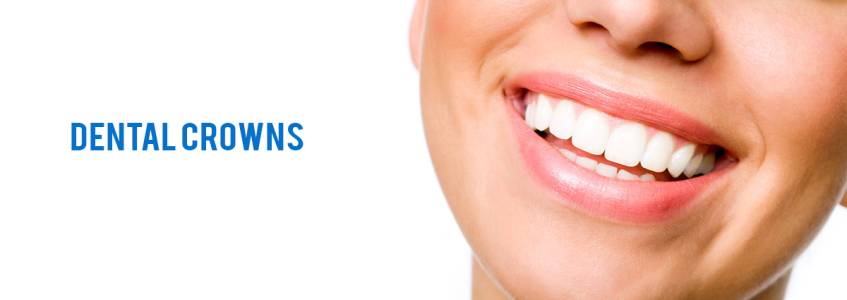
      • Enhanced Aesthetics: Achieve a beautiful, natural-looking smile.
      • Increased Strength: Protects and strengthens weakened teeth.
      • Long-Lasting Solution: A durable investment in your oral health.
      • Custom-Made: Perfectly matched to your existing teeth in color, shape, and size.

      Ready to Restore Your Smile?

      Don't let damaged teeth hold you back. A dental crown can significantly improve your oral health, comfort, and confidence.

      Contact [Your Dental Practice Name] today to schedule a consultation and find out if a dental crown is the right solution for you!

      Phone: [Your Phone Number] Email: [Your Email Address] Website: [Your Website URL] Address: [Your Practice Address]

      Disclaimer: This product description provides general information and is not a substitute for professional dental advice. Individual results may vary. Please consult with a qualified dental professional to discuss your specific condition and treatment options.

      Tags: Dental Crowns