Description
Restore Your Smile: Dental Bridges
If you're experiencing the challenges of missing teeth – from difficulty chewing and speaking to a noticeable gap in your smile – dental bridges offer a reliable, fixed solution to restore both function and aesthetics. Designed to seamlessly blend with your natural teeth, a dental bridge can help you regain confidence and maintain your oral health.
What Are Dental Bridges?
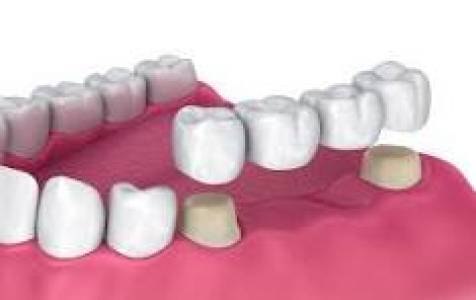
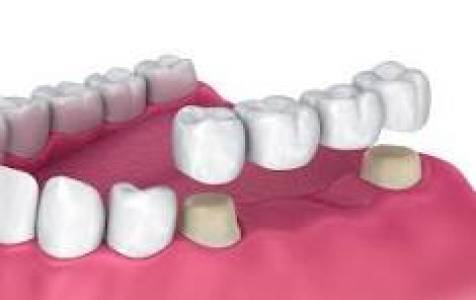
A dental bridge is a fixed prosthetic device used to "bridge" the gap created by one or more missing teeth. It is custom-made to fit your mouth and typically consists of:
- Abutment Crowns: Two crowns placed on the natural teeth (or dental implants) on either side of the gap. These anchoring teeth are called abutment teeth.
- Pontics: One or more artificial teeth that fill the space of the missing teeth, custom-designed to look and feel like your natural teeth.
Unlike removable partial dentures, bridges are permanently cemented into place, offering a stable and long-lasting restoration.
Key Benefits of Choosing a Dental Bridge
Opting for a dental bridge provides numerous advantages for your oral health and overall well-being:
- Restored Aesthetics: Fills the gap, providing a complete, natural-looking smile that blends seamlessly with your existing teeth.
- Improved Chewing & Speech: Restores proper biting and chewing function, allowing you to enjoy your favorite foods again. It also helps correct any speech difficulties caused by missing teeth.
- Maintained Facial Structure: Prevents the sunken appearance that can occur with missing teeth, helping to preserve your natural facial contours.
- Prevents Tooth Shifting: Stops adjacent natural teeth from drifting into the empty space, which can lead to bite problems and further dental complications.
- Enhanced Confidence: A complete smile can significantly boost self-esteem and encourage more social interaction.
- Durability & Stability: Designed to be a long-lasting, fixed solution that can withstand normal chewing forces.
- Relatively Quick Procedure: The process for receiving a traditional bridge typically involves two dental appointments.
Types of Dental Bridges
Depending on your specific needs, oral health, and the location of the missing tooth/teeth, your dentist may recommend different types of bridges:
- Traditional Bridges:
- Description: The most common type, involving a crown placed on the natural teeth flanking the gap. These two crowns support the pontic(s) in the middle.
- Ideal For: Areas with strong, healthy adjacent teeth.
- Cantilever Bridges:
- Description: Used when there is only one natural tooth adjacent to the missing tooth gap. The pontic is supported by a single crown on one side.
- Considerations: Less common and often not recommended for back teeth or areas under heavy chewing force, as it can put excessive stress on the single abutment tooth.
- Maryland (Resin-Bonded) Bridges:
- Description: Consists of a pontic with metal or porcelain "wings" extending from its sides. These wings are bonded to the back surface of the adjacent natural teeth using a strong resin cement, without requiring significant reduction of the abutment teeth.
- Ideal For: Front teeth where chewing forces are less intense, or as a temporary solution. Requires minimal tooth preparation.
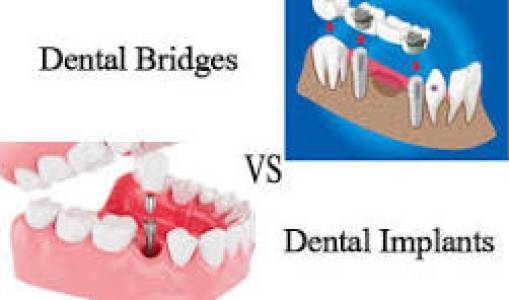
- Implant-Supported Bridges:
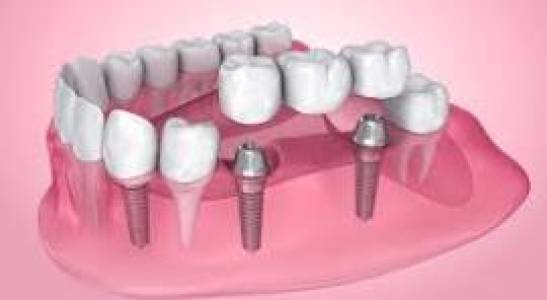
- Description: Instead of relying on natural teeth for support, this type of bridge is anchored by dental implants surgically placed into the jawbone. If you have multiple missing teeth, two implants can support a bridge of three or more crowns.
- Ideal For: Patients who prefer not to prepare their natural teeth, or for situations where there are no healthy adjacent teeth to support a traditional bridge. Offers superior stability and helps preserve jawbone health.
The Dental Bridge Procedure: What to Expect
Receiving a dental bridge typically involves two appointments, though implant-supported bridges will require additional steps for implant placement and healing.
First Appointment:
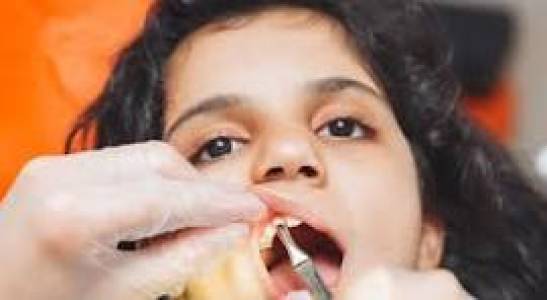
- Preparation of Abutment Teeth: Your dentist will carefully reshape the natural teeth that will support the bridge (abutment teeth). This involves removing a small amount of enamel to allow for the placement of the crowns.
- Impressions: Highly accurate impressions (molds) of your prepared teeth and surrounding areas are taken. These impressions are sent to a dental laboratory, where your custom bridge will be fabricated.
- Temporary Bridge Placement: A temporary bridge will be placed to protect your prepared teeth and maintain your smile while the permanent bridge is being made.
Second Appointment (and potentially more for implant-supported):
- Removal of Temporary Bridge: The temporary bridge is carefully removed.
- Placement & Adjustment of Permanent Bridge: Your custom-fabricated permanent bridge is carefully placed and checked for proper fit, bite, and aesthetics. Any necessary adjustments are made.
- Final Cementation: Once you and your dentist are satisfied, the bridge is permanently cemented onto your abutment teeth.
Who is a Candidate for Dental Bridges?
Most individuals with one or more missing teeth are potential candidates for dental bridges. Ideal candidates typically have:
- Good overall oral health.
- Healthy and strong adjacent teeth (for traditional, cantilever, or Maryland bridges).
- Sufficient jawbone density (for implant-supported bridges).
- A commitment to maintaining excellent oral hygiene.
A comprehensive examination by your dentist will determine the best type of bridge for your unique situation.
Care and Maintenance for Your Dental Bridge
With proper care, a dental bridge can last 5 to 15 years, and often longer.
- Maintain Excellent Oral Hygiene: Brush twice a day with fluoride toothpaste and floss daily. Pay special attention to cleaning under the bridge to prevent plaque buildup and gum disease in the abutment teeth. Your dentist may recommend specialized tools like floss threaders or interdental brushes.
- Regular Dental Check-ups: Visit your dentist for professional cleanings and examinations at least twice a year.
- Healthy Diet: Avoid excessively hard or sticky foods that could damage the bridge or loosen the cement.
- Address Bruxism: If you grind or clench your teeth (bruxism), your dentist may recommend a nightguard to protect your bridge and natural teeth.
Invest in Your Smile and Health Today!
Don't let missing teeth compromise your oral health, confidence, or quality of life. A custom-crafted dental bridge can provide a durable, aesthetic, and functional solution, restoring the completeness and beauty of your smile.
Ready to learn if a dental bridge is the right solution for you?
Contact us today to schedule your consultation! [Phone Number] | [Email Address] | [Website Link]
Disclaimer: This product description is for informational purposes only and does not constitute medical advice. Individual results may vary. A thorough consultation with a qualified dental professional is essential to determine the most appropriate treatment plan for your specific needs.