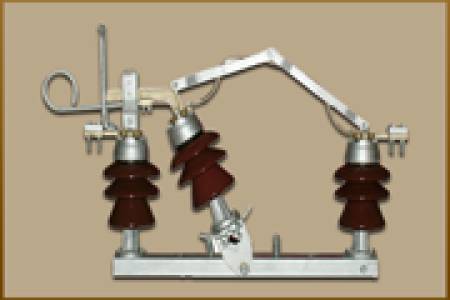
Description
Here's a detailed product description for a Cable Gland, formatted using Markdown:
Premium Industrial Cable Glands
Secure, Seal, and Protect Your Critical Electrical Connections
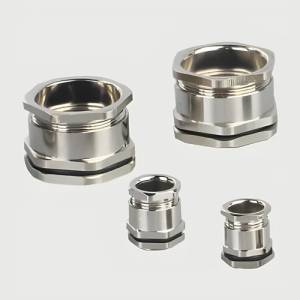
Invest in the ultimate protection for your electrical systems with our range of high-performance Cable Glands. Designed to provide a secure, reliable, and environmentally sealed entry point for cables into enclosures, junction boxes, and machinery, our cable glands are indispensable components for ensuring system integrity, safety, and longevity in demanding industrial and commercial environments.
What is a Cable Gland?
A cable gland (also known as a cable connector or cable fitting) is a device designed to attach and secure the end of a cable to the equipment. Its primary functions include:
- Strain Relief: Preventing cables from being pulled out of the equipment.
- Environmental Sealing: Maintaining the IP (Ingress Protection) or NEMA rating of the enclosure, protecting against dust, water, moisture, and contaminants.
- Electrical Safety: Providing earth continuity for armored cables and preventing arc formation.
- EMI/RFI Shielding: Offering electromagnetic interference (EMI) and radio-frequency interference (RFI) protection in sensitive applications.
- Hazardous Area Protection: Providing flameproof or explosion-proof sealing in ATEX/IECEx certified environments.
Key Features & Benefits
- Superior Strain Relief: Engineered clamping mechanisms securely grip the cable sheath, preventing damage from tension, twisting, and vibration, significantly extending cable lifespan and preventing costly downtime.
- Unrivaled Environmental Sealing: Achieve IP68 (up to 10 bar for 30 min) and IP69K (high-pressure, high-temperature washdown) ratings, ensuring complete protection against dust, dirt, water jets, and even temporary submersion.
- Robust & Corrosion-Resistant Materials: Available in Nickel-Plated Brass, Stainless Steel (304/316L), and Polyamide (Nylon 6) for optimal resistance to corrosion, chemicals, UV radiation, and extreme temperatures.
- Wide Operating Temperature Range: Designed to perform reliably in challenging conditions, typically from -40°C to +100°C for polyamide glands, and -60°C to +200°C for metallic glands with specialized sealing inserts.
- Diverse Thread Options: Compatible with various global standards, including Metric (M), NPT (National Pipe Taper), and PG (Panzergewinde) threads, ensuring seamless integration with existing equipment.
- Easy & Reliable Installation: Featuring user-friendly designs for quick and secure mounting, reducing installation time and ensuring a consistently tight and reliable seal.
- Versatile Cable Accommodation: Available in a wide range of sizes to accommodate various cable diameters, from small control cables to large power cables.
- Optional Specialized Features:
- EMI/RFI Shielding Glands: Protect sensitive electronics from electromagnetic interference.
- Hazardous Area Glands (Ex e, Ex d): Certified for use in potentially explosive atmospheres (ATEX & IECEx).
- Hygienic Design Glands: Smooth surfaces and specialized materials suitable for food & beverage and pharmaceutical industries.
- Multiple Cable Entry Glands: For routing several cables through a single entry point.
Technical Specifications (Example/Typical Range)
- Materials: Nickel-Plated Brass, Stainless Steel 304/316L, Polyamide (Nylon 6)
- Sealing Insert Materials: NBR (Nitrile Rubber), EPDM, Silicone, TPE
- Protection Class: IP68 (5 bar/30 min standard, higher upon request), IP69K
- Operating Temperature:
- Polyamide: -40°C to +100°C (static), -20°C to +80°C (dynamic)
- Metallic (NBR): -40°C to +100°C
- Metallic (Silicone): -60°C to +200°C
- Thread Types: Metric (M12 to M100), NPT (1/4" to 4"), PG (PG7 to PG48)
- Cable Diameter Range: Varies by gland size, typically from 3mm to 90mm
- Pressure Resistance: Up to 10 bar (IP68)
- Flammability Rating: UL 94 V-2 (for polyamide versions)
- Approvals & Certifications: CE, RoHS, UL Listed, CSA Certified, VDE, ATEX, IECEx, DNV-GL, EAC, cURus.
Applications
Our Cable Glands are engineered for reliable performance across a broad spectrum of industries, including:
- Industrial Automation: Machine building, control panels, robotics.
- Renewable Energy: Solar installations, wind turbines.
- Marine & Offshore: Ship wiring, oil rigs, subsea equipment.
- Oil & Gas: Refineries, pipelines, drilling operations.
- Chemical & Petrochemical: Processing plants, corrosive environments.
- Food & Beverage: Processing lines, hygienic areas.
- Pharmaceuticals: Cleanroom environments, manufacturing.
- Telecommunications: Network enclosures, outdoor installations.
- Transportation: Rail vehicles, automotive manufacturing.
- Building Services: HVAC, lighting, security systems.
- OEM Applications: Integration into custom machinery and equipment.
Why Choose High-Quality Cable Glands?
Choosing the right cable gland is paramount for:
- Ensuring Safety: Preventing electrical hazards, short circuits, and equipment failure.
- Maximizing Equipment Lifespan: Protecting sensitive internal components from environmental ingress.
- Reducing Maintenance Costs: Preventing premature cable wear and system breakdowns.
- Achieving Regulatory Compliance: Meeting industry standards and certifications (e.g., UL, ATEX, IP ratings).
- Optimizing Performance: Maintaining signal integrity and system reliability in demanding conditions.
How to Select the Right Cable Gland
To ensure optimal performance and safety, consider the following factors:
- Cable Type & Diameter: Measure the outer diameter of your cable accurately.
- Enclosure Thread Size & Type: Match the gland's thread to your equipment's entry hole (e.g., M20, 1/2" NPT).
- Environmental Conditions: Determine the required IP/NEMA rating, temperature range, and exposure to chemicals or UV.
- Application Requirements: Consider needs like strain relief, EMI shielding, or hazardous area certification.
- Material Preference: Choose between metallic (brass, stainless steel) for strength and conductivity, or polyamide for insulation and cost-effectiveness.
- Certifications: Verify necessary industry-specific approvals (e.g., ATEX for hazardous areas, DNV-GL for marine).
Invest in the foundation of your electrical system's integrity. Explore our comprehensive range of premium cable glands today and secure your connections with confidence.
[Contact Us for a Quote / Download Our Catalog]