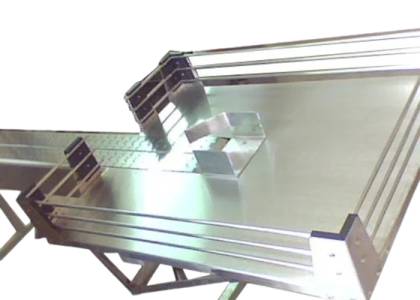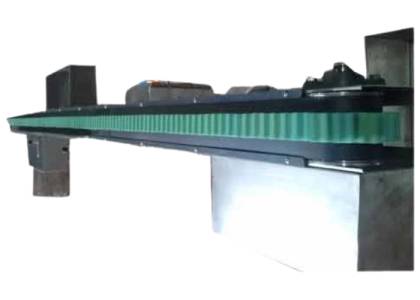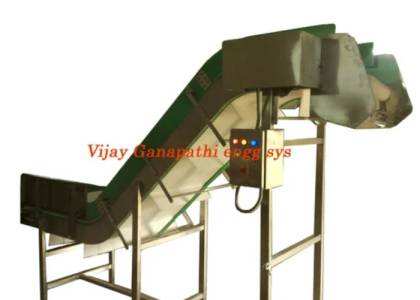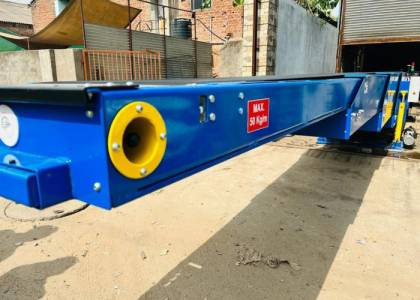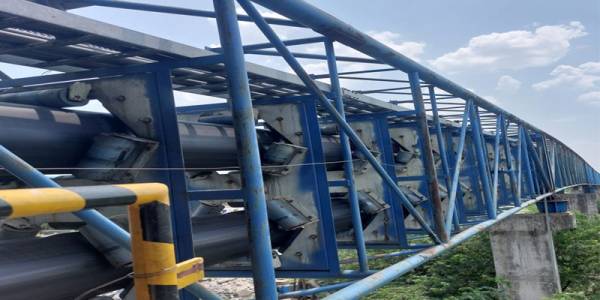
Pipe Conveyors

      Description


      Pipe Conveyors: Efficient and Reliable Material Handling

      Pipe conveyors offer a highly efficient and cost-effective solution for transporting a wide range of bulk materials over long distances or around complex layouts. These systems utilize enclosed pipes to move materials pneumatically or mechanically, offering significant advantages over traditional conveyor methods.

      Key Features & Benefits:

      • Versatile Material Handling: Suitable for a broad spectrum of materials, including powders, granules, flakes, pellets, and even some liquids (with appropriate modifications). Adaptable to various material densities, abrasiveness, and temperatures.
      • Enclosed System: Prevents material spillage, dust emissions, and contamination, ensuring a cleaner and safer working environment. Ideal for handling sensitive or hazardous materials.
      • Long-Distance Transport: Efficiently transports materials over significant distances, minimizing handling and transfer points. Reduces the need for multiple conveyor systems and associated costs.
      • Space Saving: Compact design requires less floor space compared to traditional belt or screw conveyors, especially beneficial in confined areas or facilities with limited space.
      • Reduced Maintenance: Fewer moving parts compared to other conveyor systems translate to lower maintenance requirements and reduced downtime. Robust design ensures long operational lifespan.
      • Improved Efficiency: High throughput rates and minimal material degradation result in increased productivity and reduced operational costs. Automated control systems enhance efficiency further.
      • Customizable Configurations: Available in various sizes, materials of construction, and configurations to meet specific application requirements. Can incorporate features like inline processing, filtration, and material conditioning.
      • Reduced Labour Costs: Automated systems minimize manual handling, reducing labour costs and improving worker safety.

      Types of Pipe Conveyors:

      • Pneumatic Pipe Conveyors: Utilize air pressure to transport materials through a closed pipeline. Suitable for long distances and high throughput applications. Sub-categories include dilute phase and dense phase systems.
      • Mechanical Pipe Conveyors: Employ mechanical means like augers or screw conveyors within the pipe to move materials. Suitable for shorter distances and materials that are difficult to convey pneumatically.

      Applications:

      Pipe conveyors find applications across a wide range of industries, including:

      • Food Processing: Transporting grains, powders, and other food ingredients.
      • Pharmaceutical: Handling powders, granules, and other sensitive materials.
      • Chemical Processing: Transporting powders, granules, and liquids (with appropriate modifications).
      • Mining & Minerals: Moving ores, concentrates, and other materials.
      • Waste Management: Transporting waste materials.
      • Power Generation: Handling coal, ash, and other materials.

      Choosing the Right Pipe Conveyor:

      Selecting the appropriate pipe conveyor requires careful consideration of various factors, including:

      • Material properties: Density, flowability, abrasiveness, temperature, etc.
      • Throughput requirements: Desired material flow rate.
      • Distance of transport: Length of the conveyance line.
      • Environmental considerations: Dust control, noise levels, etc.
      • Budgetary constraints: Cost of equipment, installation, and maintenance.

      Contact us today to discuss your specific material handling needs and learn how our pipe conveyor solutions can optimize your operations.

      Tags: Pipe Conveyors